Complete DNA analysis for young adults with cancer

KWF finances the expansion of the infrastructure for cancer research in young adults with almost 4.5 million euros. These are young people aged 18 to 39, also known as AYAs: Adolescents and Young Adults. With this grant, Hartwig Medical Foundation will use the latest techniques to visualize the complete DNA of the tumor for 1,000 patients over the next four years. This means that the treatment can be better attuned to the specific tumor characteristics of each patient.
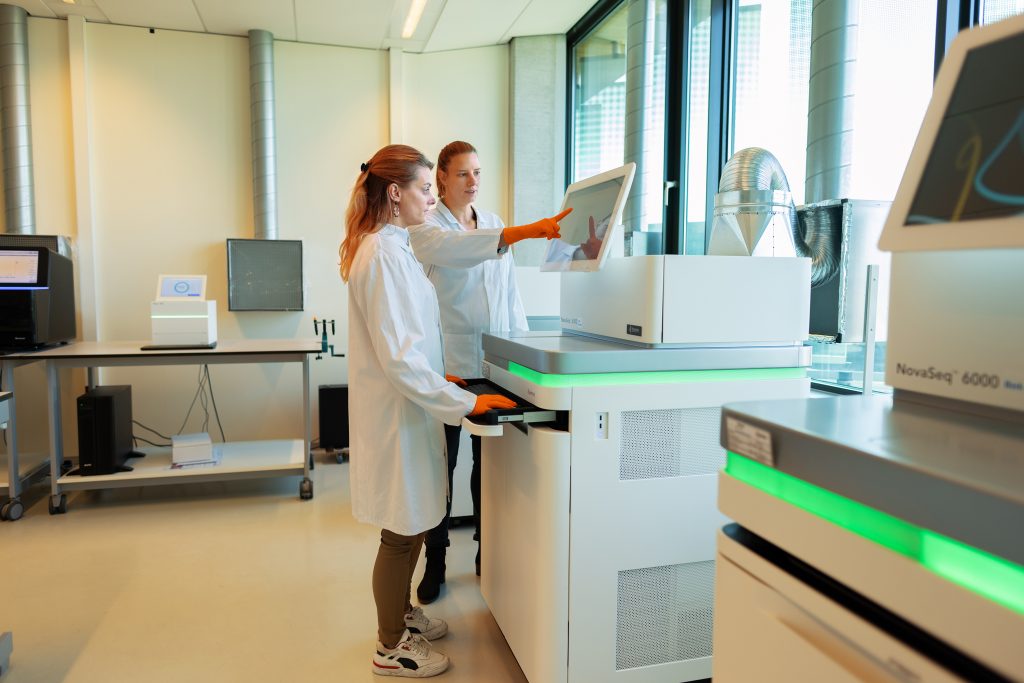
GENAYA
The genetic information and treatment data are stored with the patient’s consent in a globally unique database and made available for scientific research. In this way, not only these 1,000 patients will benefit from the research, but also the patients in the future. The project named GENAYA (a national database of GENome data of Adolescent and Young Adult cancers) builds on an infrastructure already funded by KWF; COMPRAYA. Hartwig Medical Foundation will provide diagnostic DNA analysis based on whole genome sequencing for GENAYA. Thanks to the grant from KWF, the complete DNA analysis are also made available to AYA patients in non-academic centers.
Hartwig Medical Foundation
Hartwig Medical is a not-for-profit foundation. The foundation aims to improve care for patients with cancer. It does this by advancing cancer research and conducting complete DNA analysis in cancer patients. This should contribute to ensuring that every cancer patient receives the treatment that best suits her or him.
More information
- Complete DNA test
- Hartwig Medical database
- Publications with data from Hartwig Medical database
All news
Also read
Predicting therapy success based on gene expression
In addition to Whole Genome Sequencing of DNA, Hartwig Medical Foundation performs Whole Transcriptome Sequencing of RNA. Researcher Marjolein Lansbergen …

Single WGS analysis of metastases is sufficient in most cases
DNA analysis of the tumor is of crucial importance to determine treatment options for patients with metastasized lung cancer. But …

GLOW Study Ends – But WGS Remains Valuable for Glioblastoma Patients
As of October 1, 2025, the GLOW study will officially come to an end. Interim analysis has shown growing enthusiasm …

In our profession, we need to know everything about the patient, but we also want to know as much as possible about the patient’s tumor.