Biomarkers Reveal Which Cancer Patients Won’t Benefit From Treatment
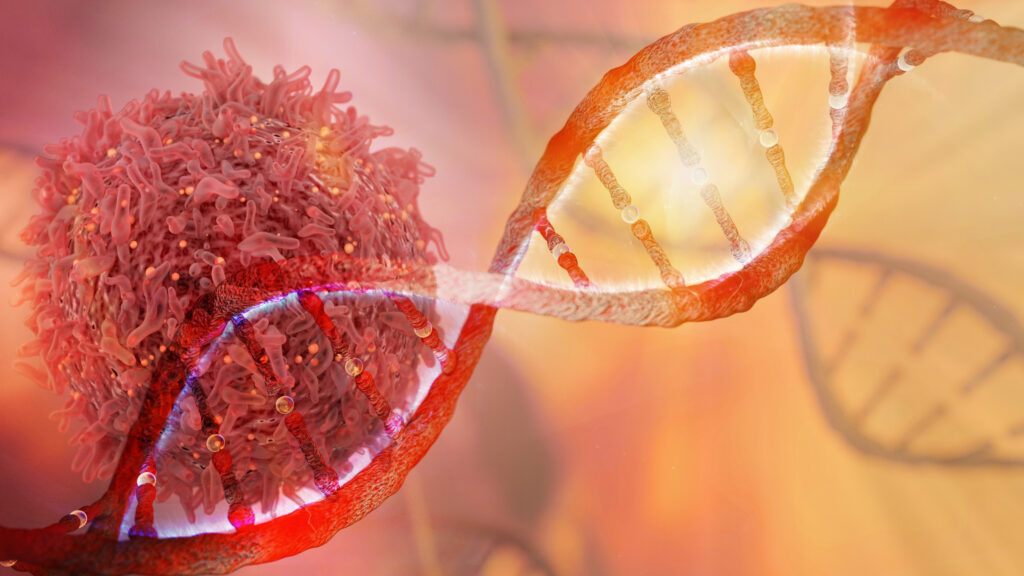
Researchers from Vall d’Hebron Institute of Oncology identify genomic signals predicting non-response to cancer therapies in collaboration with Hartwig Medical Foundation, underscoring the value of large real-world data collections
Real–world cancer genomics reveals biomarkers of non–response
Amsterdam, June 2026 — A new study published in ESMO Real World Data and Digital Oncology demonstrates how systematically mining one of the world’s largest real-world cancer genomics databases can uncover biomarkers that predict which patients are unlikely to benefit from specific cancer treatments. The findings highlight that individual datasets don’t suffice, and that pooling and re-analysing large, richly clinically annotated datasets is essential to make precision oncology truly precise. With the aim of protecting patients from unnecessary side effects and ineffective therapies, they are also effective.
Whole–genome and transcriptome sequencing across 7,000 metastatic tumors
The study analyzed whole-genome and transcriptome sequencing data from the access-controlled Hartwig Medical database of more than 7,000 metastatic tumor genomes. Across 56 treatment cohorts and 2,663 candidate biomarkers, they applied a systematic statistical framework to identify genomic and transcriptomic features strongly associated with non-response to therapy.
Key findings: immune evasion in melanoma and KRAS G12D in colorectal cancer
The analysis revealed several clinically meaningful findings. In melanoma patients treated with immune checkpoint inhibitors, genomic drivers of immune evasion were associated with a complete absence of response, while in metastatic colorectal cancer, KRAS G12D mutations were linked to a response rate of just 5% across multiple chemotherapy regimens. Similarly, a multivariate classifier combining four independent molecular features — tumour mutational burden, T-cell infiltration, hedgehog signalling, and renin-angiotensin pathway expression — identified a subgroup of immunotherapy-treated patients, spanning multiple cancer types, with no observed responses. Together, these findings illustrate how integrating molecular markers can sharpen patient selection and help avoid ineffective treatments
Non–response biomarkers can reduce toxicity and redirect patients to better options
“Identifying patients who will not benefit from a treatment is just as important as identifying those who will,” said co-corresponding author Edwin Cuppen, Scientific Director of Hartwig Medical Foundation.
“These non-responder biomarkers have direct value: they could spare patients needless toxicity and help redirect them to trials or alternative strategies more likely to help.” Edwin Cuppen, Scientific Director of Hartwig Medical Foundation.
Why large–scale datasets are essential for discovering rare non–response signals
Critically, the study also demonstrates why large, continuously growing datasets are indispensable. A power analysis revealed that reliably establishing a response rate below 5% for a biomarker requires at least 59 non-responder events — and for rare biomarkers, treatment matched cohorts of close to 1,000 patients or more. Most current treatment sub-cohorts fall well short of this threshold, meaning that the true potential of non-response biomarker discovery remains locked inside datasets that do not yet exist at sufficient scale.
Systematic re–analysis of harmonised real–world data enables sustainable genomic medicine
“This work shows both what is already possible and what becomes possible as data accumulates,”
said co-corresponding author Francisco Martínez-Jiménez, Group Leader at VHIO and Data Mining Lead at Hartwig Medical Foundation.
“Systematic re-analysis of large, harmonised real-world datasets is not just scientifically valuable — it is the path to making genomic medicine sustainable and equitable.” Francisco Martínez-Jiménez
Call for federated data–sharing to accelerate precision oncology
The authors call for expanded federated data-sharing infrastructures that integrate harmonized sequencing protocols and clinical annotations across institutions and countries, enabling the kind of scale needed to confidently translate non-response signals into clinical decision-making.
Data from the Hartwig Medical database underpinning this study are freely accessible to researchers via a data access request at https://www.hartwigmedicalfoundation.nl/en/data/data-access-request/.
You read an article in the category Personalized treatment. You may also be interested in Algorithms, Biomarker, DNA, Hartwig Medical Database, Hartwig Medical Foundation, IT, Learning healthcare system, Molecular diagnostics, OncoAct, Scientific publications or Whole genome sequencing.All news
Also read
Comprehensive molecular diagnostics closer for more patients thanks to price reduction
Hartwig Medical Foundation reduces the price of its OncoAct Whole Genome Sequencing (WGS) service as of January 1, 2026. This …

DataNexus connects clinical and genomic data
DataNexus is a project initiated by the Netherlands Cancer Institute–Antoni van Leeuwenhoek (NKI-AvL) to improve data availability by integrating clinical …
GMS and Hartwig sign MOU to advance precision medicine for cancer patients
Genomic Medicine Sweden (GMS) and Hartwig Medical Foundation (Hartwig) today signed a Memorandum of Understanding (MoU). This MoU formalises a strategic partnership …

Cancers will increasingly meet the definition of ‘rare’ in terms of the molecular profiles that make each tumor unique. The more research we can do into this, the better we will be able to offer patients personalized treatment in the future. Whole Genome Sequencing and studies like DRUP are making an important contribution to this.