Biomarker
- Algorithms
- Billing code
- Biomarker
- Cancer of Unknown Primary
- cfDNA
- DNA
- Education
- End of Treatment
- GENAYA project
- Hartwig Medical Database
- Hartwig Medical Foundation
- Innovation
- IT
- Lab process
- Learning healthcare system
- Molecular diagnostics
- OncoAct
- oncoanalyser
- Participating hospitals
- Patients' stories
- Personalized treatment
- Quality
- Rare cancers
- Re-use data
- Research
- Scientific publications
- Treatment
- Uncategorized
- Whole genome sequencing
- Working in the cloud
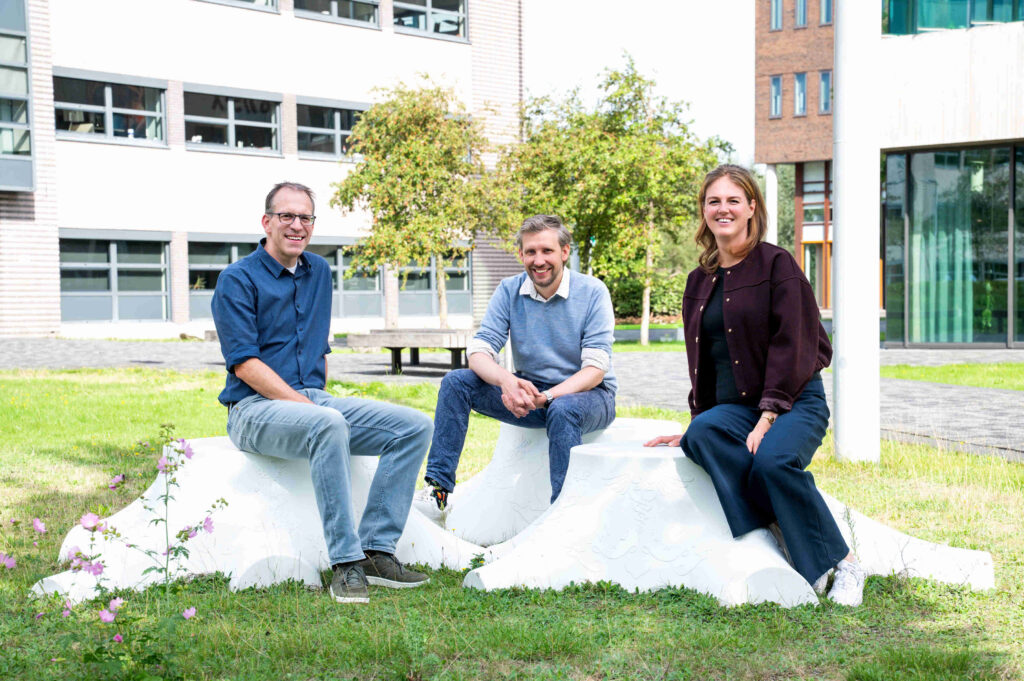
A Learning Healthcare System for Better Cancer Research and Care
Vast amounts of data are generated during cancer diagnosis and treatment every single day. Tissue samples are analyzed, data about …

Why genomes need clinical data: new Nature study uses Hartwig real world data to test a prostate cancer biomarker
Understanding prostate cancer’s clinical heterogeneity A new study in Nature investigates the mutational processes behind prostate cancer’s clinical heterogeneity and …

Hartwig advances precision oncology worldwide with oncoanalyser
Nicole Schonrock on scaling precision care for patients with cancer in Australia Hartwig Medical Foundation has developed powerful software for …
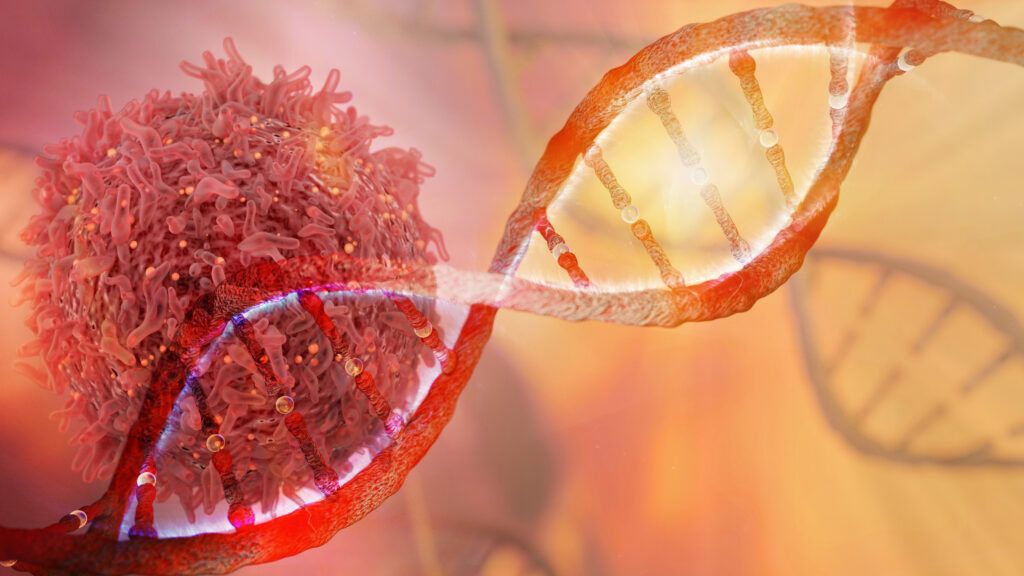
Biomarkers Reveal Which Cancer Patients Won’t Benefit From Treatment
Researchers from Vall d’Hebron Institute of Oncology identify genomic signals predicting non-response to cancer therapies in collaboration with Hartwig Medical …

From innovation to standard care: real-world impact of whole genome sequencing in oncology
Whole genome sequencing (WGS) is rapidly transforming cancer diagnostics. The Netherlands Cancer Institute (NKI) has already integrated this technology into …

The Role of organoids and Whole Genome Sequencing in precision oncology
Organoids can help determine which patients with metastatic colorectal cancer (mCRC) are likely to respond to chemotherapy and which targeted …

New research shows a more significant role of genetic predisposition in adults with glioblastoma
A recent study published in npj Genomic Medicine shows that hereditary predisposition in adult glioblastoma patients is more common than …

To study rare cancers, collaboration is key
In honor of Rare Disease Day on February 28th, we spoke with Professor Stefan Fröhling about his research on rare …

Collaboration between Hartwig and CKB makes both parties stronger
Hartwig Medical Foundation has worked with The Jackson Laboratory (JAX) Clinical Knowledgebase (CKB) team since 2020, to the benefit of …
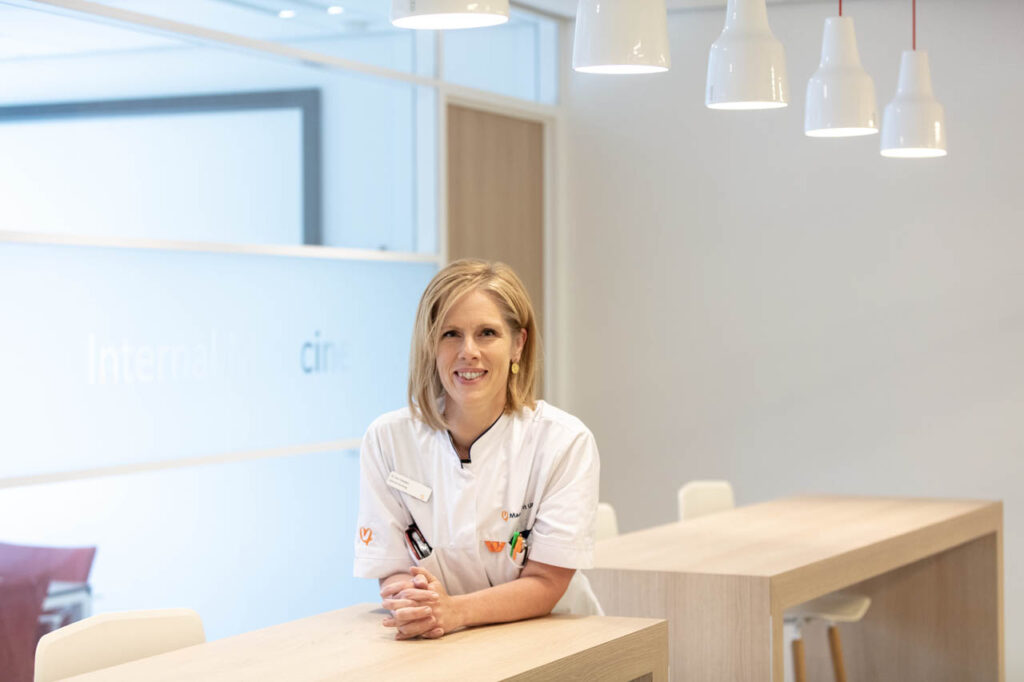
In search of the optimal treatment strategy for glioblastoma
Patients with recurrent glioblastoma have an unfavorable outlook and few treatment options. The recently launched GLOW study should change this …

GLOW: working toward more treatment options for glioblastoma
The outlook for patients with glioblastoma has been unfavorable for years, and treatment options remain limited. That is a reason …
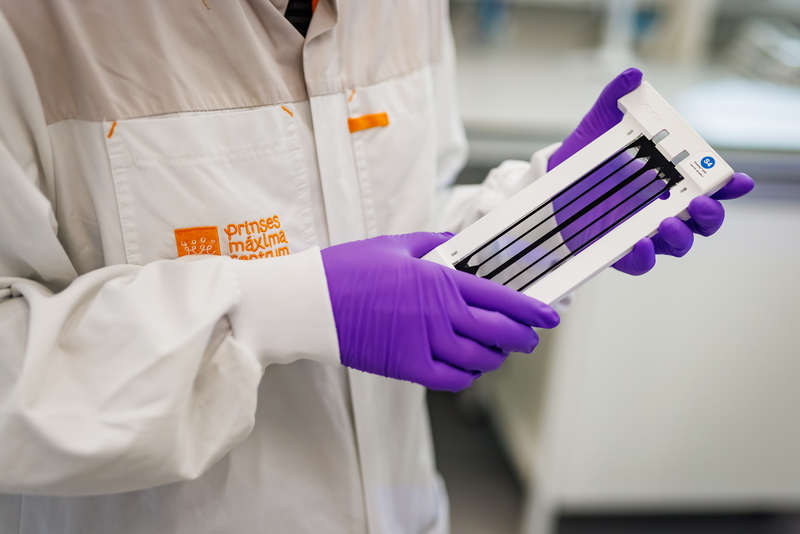
Collaboration for future-proof diagnostics and to accelerate research
Complete analysis of the DNA of children with cancer offers many possibilities. It maps out all possible targeted treatment options …

A complete genetic analysis should be part of the standard diagnostics for every patient with cancer who is eligible for treatment. WGS contributes to better, coordinated treatment advice. In this way, we reduce over- and under-treatment, while making healthcare more cost-effective and keeping it affordable.