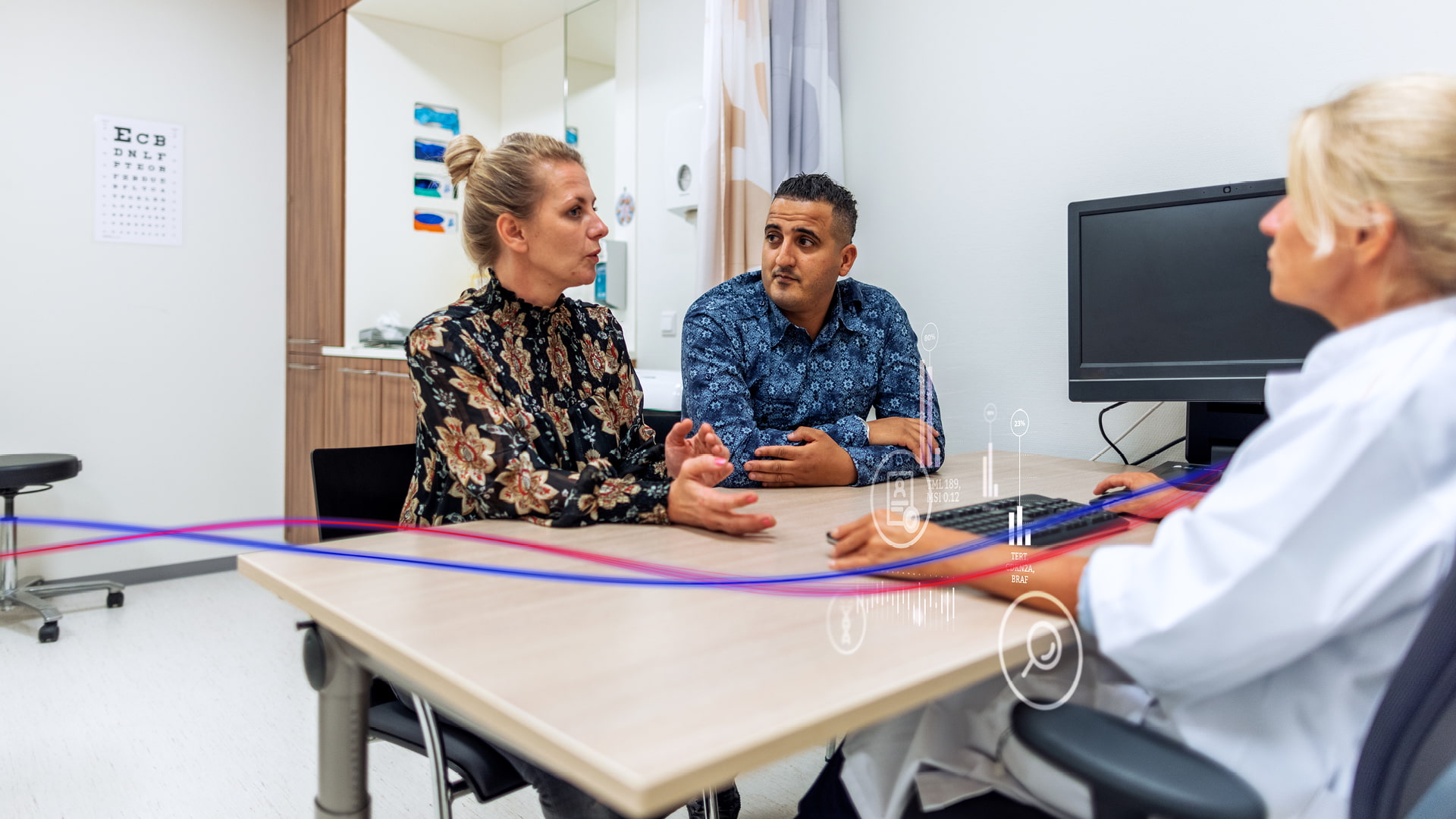
Whole genome sequencing
- Algorithms
- Billing code
- Biomarker
- Cancer of Unknown Primary
- cfDNA
- DNA
- Education
- End of Treatment
- GENAYA project
- Hartwig Medical Database
- Hartwig Medical Foundation
- Innovation
- IT
- Lab process
- Learning healthcare system
- Molecular diagnostics
- OncoAct
- oncoanalyser
- Participating hospitals
- Patients' stories
- Personalized treatment
- Quality
- Rare cancers
- Re-use data
- Research
- Scientific publications
- Treatment
- Uncategorized
- Whole genome sequencing
- Working in the cloud

Why genomes need clinical data: new Nature study uses Hartwig real world data to test a prostate cancer biomarker
Understanding prostate cancer’s clinical heterogeneity A new study in Nature investigates the mutational processes behind prostate cancer’s clinical heterogeneity and …

Hartwig advances precision oncology worldwide with oncoanalyser
Nicole Schonrock on scaling precision care for patients with cancer in Australia Hartwig Medical Foundation has developed powerful software for …

Oncoanalyser 3.0 for cancer genomics is out, now also supporting Ultima Genomics & Roche platforms
Extensive work on the underlying WiGiTS tools now enable users to analyze sequencing data from three sequencing platforms (Illumina, Ultima …
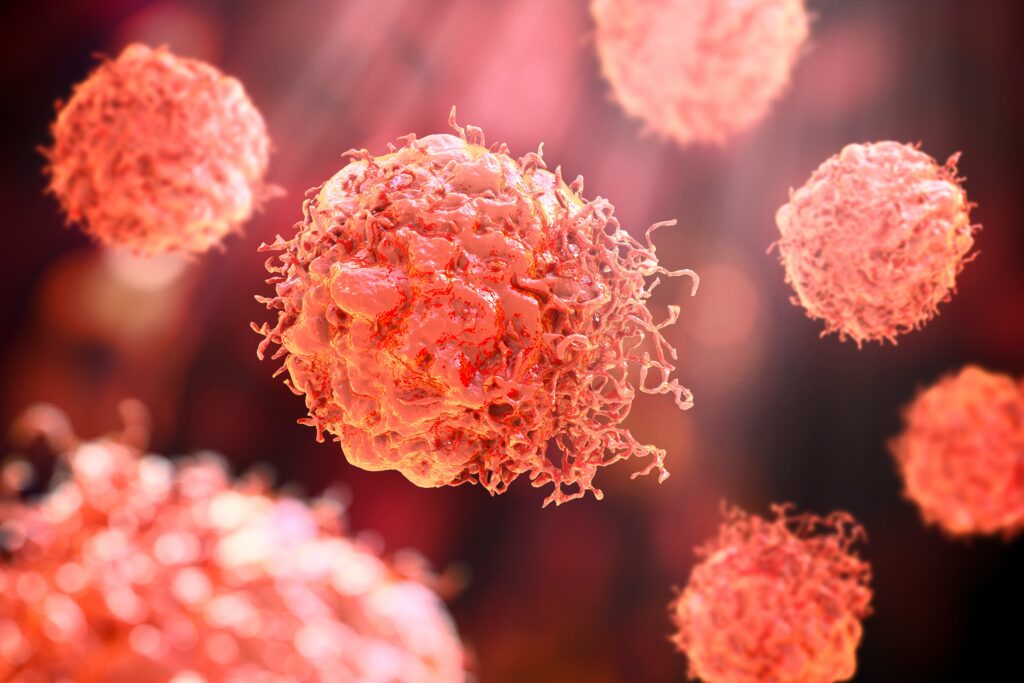
New study using Hartwig Medical Foundation data maps how breast cancer’s genetic makeup shifts when it spreads
Analysis of nearly 1,300 tumor genomes across ten genomic subtypes points to candidate drug targets and biomarkers for metastatic breast …
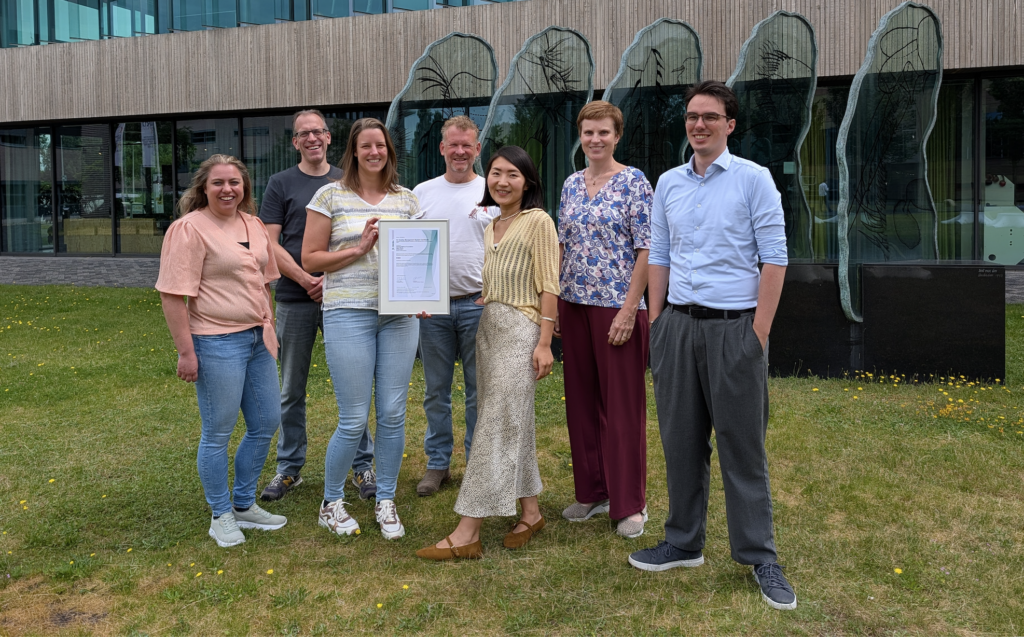
Hartwig receives CE certification for OncoAct, the first complete IVDR-certified whole-genome cancer diagnostics solution
We are proud to announce that Hartwig Medical Foundation has received CE certification under the European In Vitro Diagnostic Regulation …
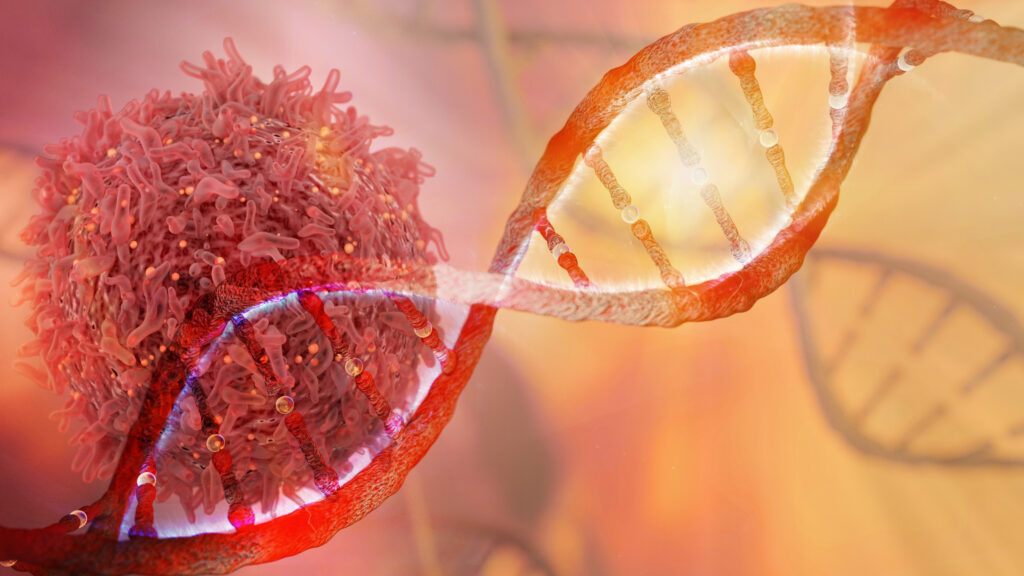
Biomarkers Reveal Which Cancer Patients Won’t Benefit From Treatment
Researchers from Vall d’Hebron Institute of Oncology identify genomic signals predicting non-response to cancer therapies in collaboration with Hartwig Medical …

Hartwig and Ultima Expand Collaboration to Advance WGS in Oncology Care
Hartwig and Ultima strengthen collaboration on whole‑genome sequencing Hartwig Medical Foundation to adopt Ultima Genomics’ UG200 sequencing system to accelerate …

From Spreadsheets to Digital Convenience: Hartwig Goes Live With Its Customer Portal
Hartwig Medical Foundation (Hartwig) recently launched its new portal for submitting requests for WGS analysis. For hospitals, this is an important enhancement to …
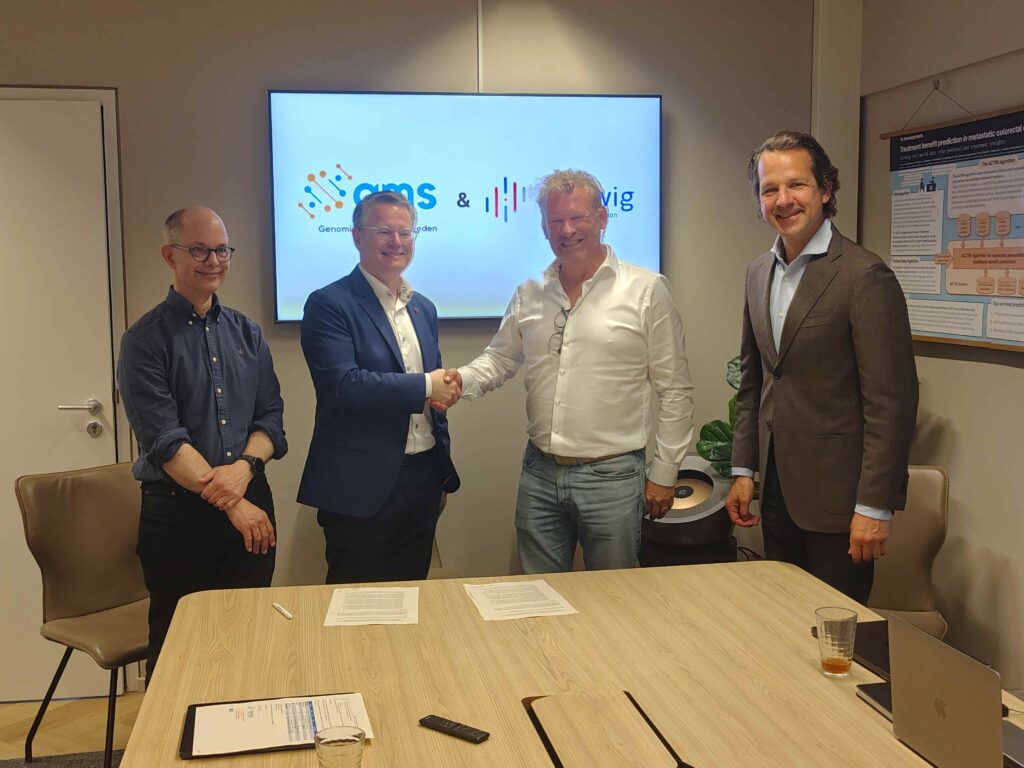
GMS and Hartwig sign MOU to advance precision medicine for cancer patients
Genomic Medicine Sweden (GMS) and Hartwig Medical Foundation (Hartwig) today signed a Memorandum of Understanding (MoU). This MoU formalises a strategic partnership …

DataNexus connects clinical and genomic data
DataNexus is a project initiated by the Netherlands Cancer Institute–Antoni van Leeuwenhoek (NKI-AvL) to improve data availability by integrating clinical …

GENAYA Extended: More Care and Research
The GENAYA project has been extended by two years. This gives researchers more time to collect genetic tumor data from …

The value of the GENAYA project for patients of the future
The GENAYA project has been extended through 2028. A total of 39 hospitals now participate in the project, which is led by …
Blogs

Expansion of the Hartwig Client Portal: registration becomes easier, safer, and smarter
The expansion of the Hartwig Client Portal marks another important step in further digitizing the collaboration between Hartwig Medical Foundation …
Read more DataNexus connects clinical and genomic data
DataNexus is a project initiated by the Netherlands Cancer Institute–Antoni van Leeuwenhoek (NKIAvL) to improve data availability by integrating clinical …
Read more
How do you analyze 8,000 Tumor/Normal genomes in under two months?
It has been a long time coming: Hartwig Medical Foundation has transitioned to the GRCh38 (hg38) reference genome! For years, …
Read more
Cancer, a rare disease?
It may come as a surprise to many on this International Rare Disease Day (February 28), that a significant number …
Read moreVideos
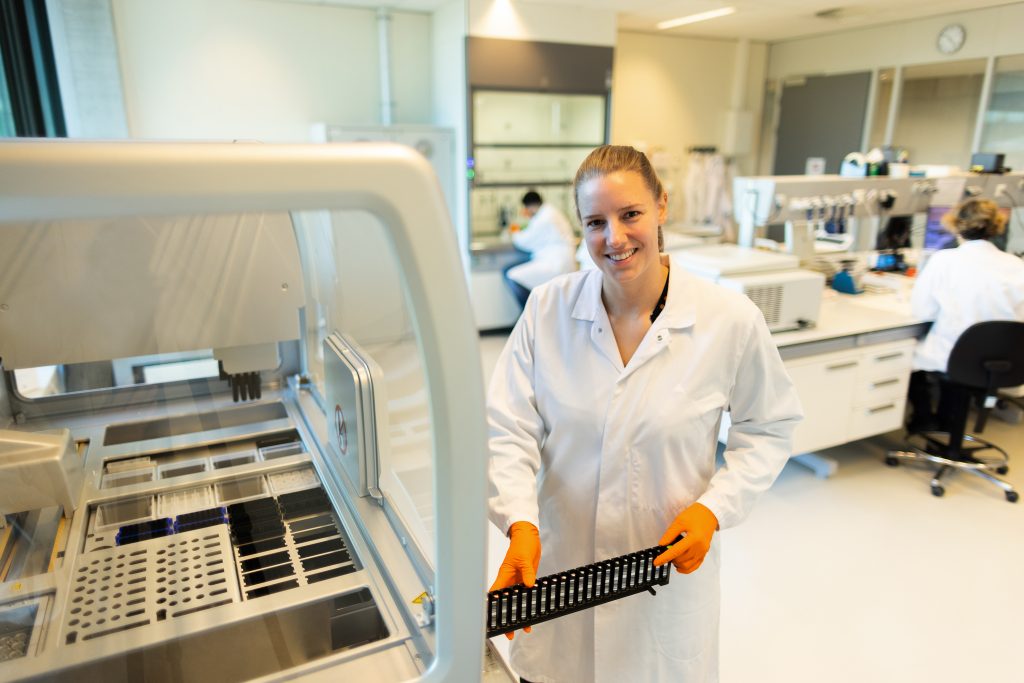
From biopsy to patient report
The comprehensive DNA test can provide patients with cancer with more opportunities for treatment. Using the technique of Whole Genome …
Read more
What does Hartwig Medical Foundation do?
Hartwig Medical Foundation is a unique initiative that makes possible progress in the research of treatment of cancer in the …
Read more
If the practitioner doesn’t know where the primary tumor is located, they cannot offer a targeted treatment plan, and nor can they give the patient an estimate of their life expectancy.