Hartwig Medical Foundation
- Algorithms
- Billing code
- Biomarker
- Cancer of Unknown Primary
- cfDNA
- DNA
- Education
- End of Treatment
- GENAYA project
- Hartwig Medical Database
- Hartwig Medical Foundation
- Innovation
- IT
- Lab process
- Learning healthcare system
- Molecular diagnostics
- OncoAct
- oncoanalyser
- Participating hospitals
- Patients' stories
- Personalized treatment
- Quality
- Rare cancers
- Re-use data
- Research
- Scientific publications
- Treatment
- Uncategorized
- Whole genome sequencing
- Working in the cloud

GLOW Study Ends – But WGS Remains Valuable for Glioblastoma Patients
As of October 1, 2025, the GLOW study will officially come to an end. Interim analysis has shown growing enthusiasm …

Hartwig Medical Foundation welcomes new managing director
Hartwig Medical Foundation is pleased to announce that Robert Jan Lamers has joined the organization as its new managing director, …
Dutch Healthcare Institute approves reimbursement of whole genome sequencing (WGS) for targeted cancer treatment
The Dutch National Health Care Institute (Zorginstituut Nederland, ZiNL) has approved the reimbursement of whole genome sequencing (WGS) through the …

First time linking Hartwig Medical Database with the Netherlands Cancer Registry for AYA Patients
This July, the first data transfer was completed between the Netherlands Cancer Registry (NKR) and the Hartwig Medical Database for …

Clinical Trials Day and the importance of structurally recording treatment outcomes
Today, on Clinical Trials Day (May 20), we reflect on the importance of clinical research. For Hartwig, it’s a opportunity …
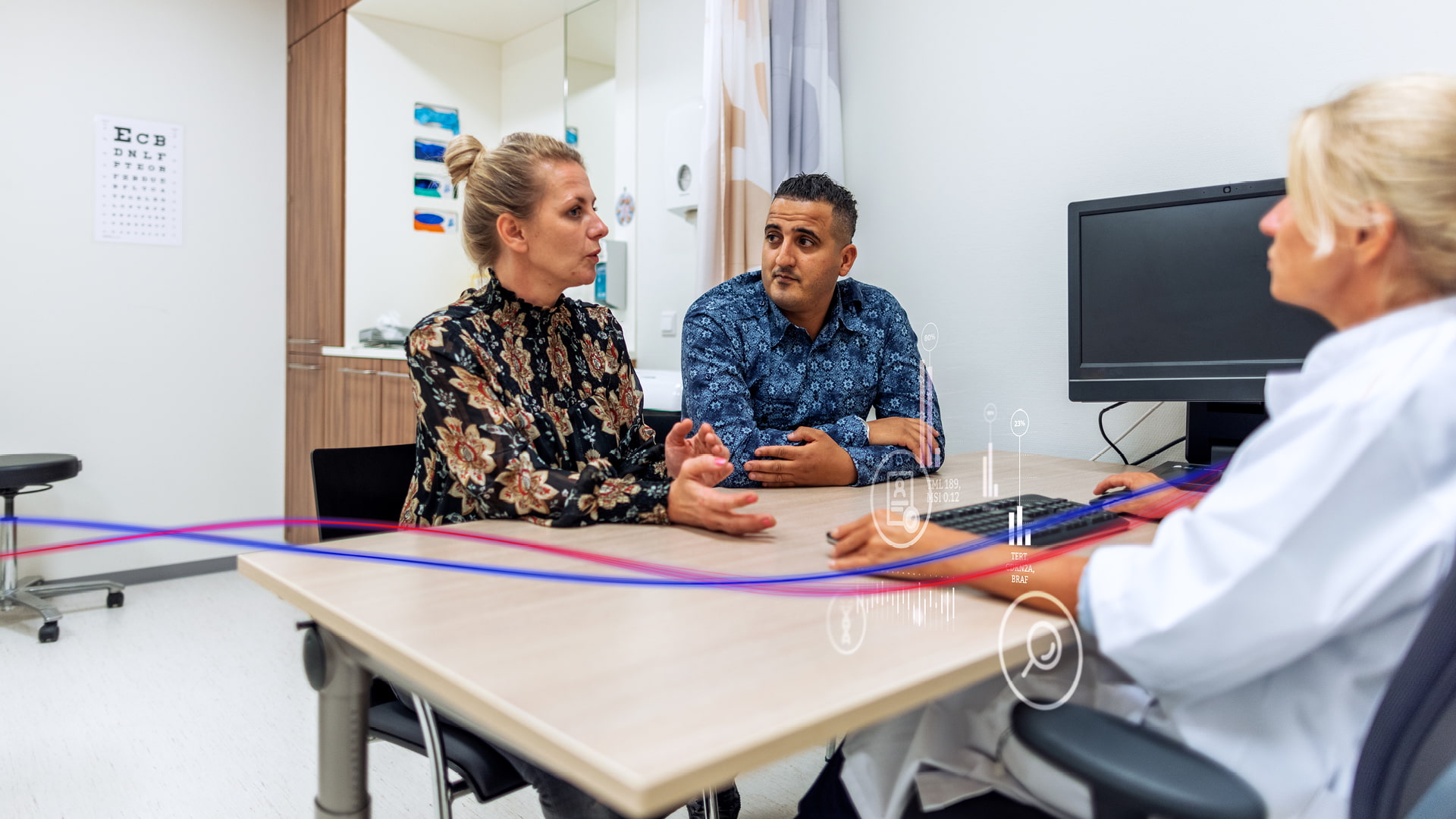
Automatically the right trial and treatment with ACTIN: A new step in cancer care
Imagine you have a patient with cancer sitting across from you: can’t be cured, but he is determined to try …

Hartwig Medical Foundation welcomes Eliëtte Vaal to its Supervisory Board
Hartwig Medical Foundation (Hartwig) has welcomed Eliëtte Vaal as a new member of its Supervisory Board. Her appointment reflects Hartwig’s …

Ten years of Hartwig Medical Foundation: a retrospect and a glimpse of the future
In its first decade, Hartwig Medical Foundation has made significant progress towards its goal of providing access to all diagnostic …
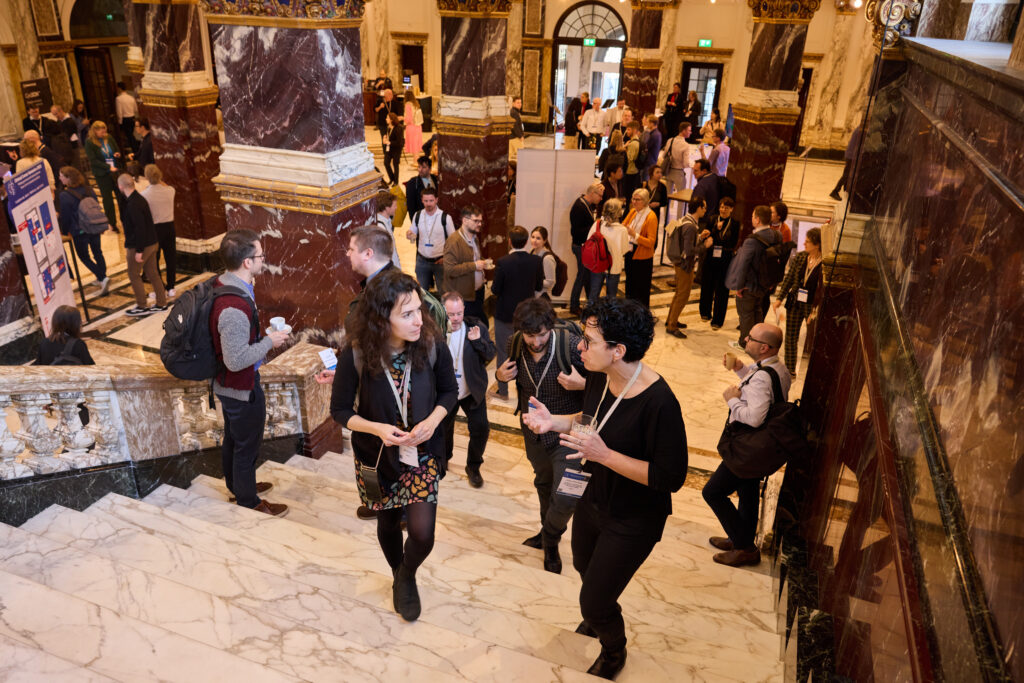
Clinical Cancer Genomics 2025: a cheerful boost for this rapidly emerging field
The Clinical Cancer Genomics Conference 2025 took place on 20–21 March 2025 in Amsterdam. The event website ccg2025.eu has been retired, but …
The Importance of Analyzing the DNA of Rare Tumors
One in four patients has a cancer type that is considered rare, meaning it occurs in fewer than six out …
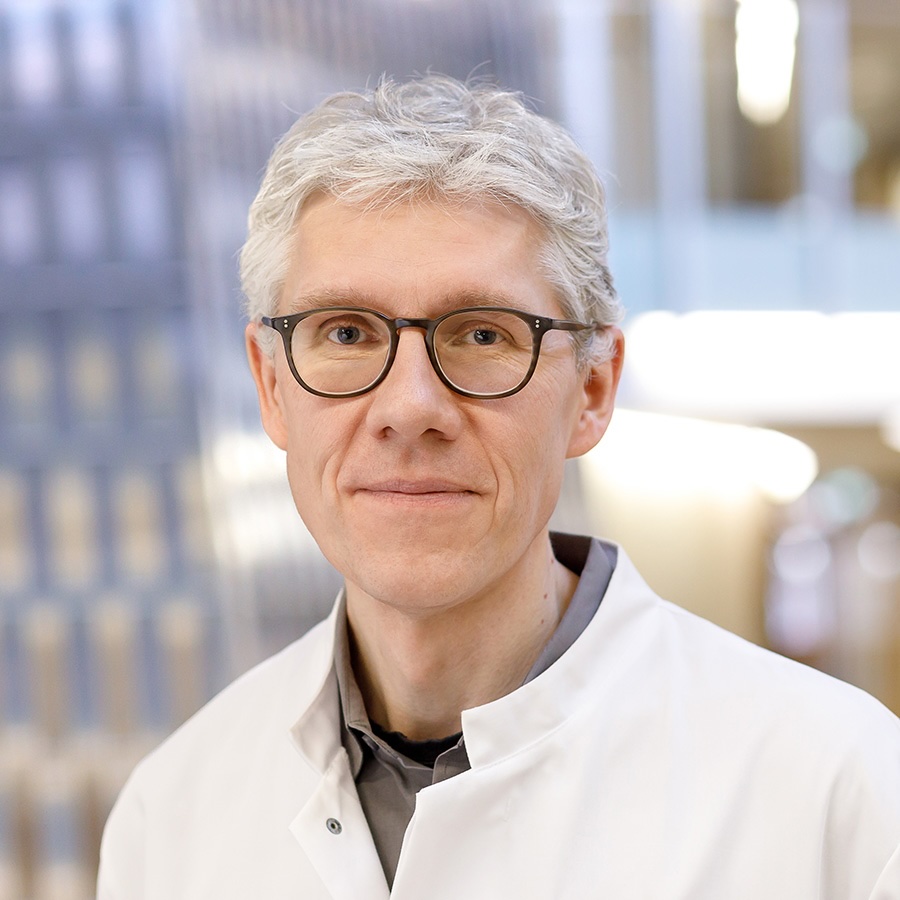
To study rare cancers, collaboration is key
In honor of Rare Disease Day on February 28th, we spoke with Professor Stefan Fröhling about his research on rare …
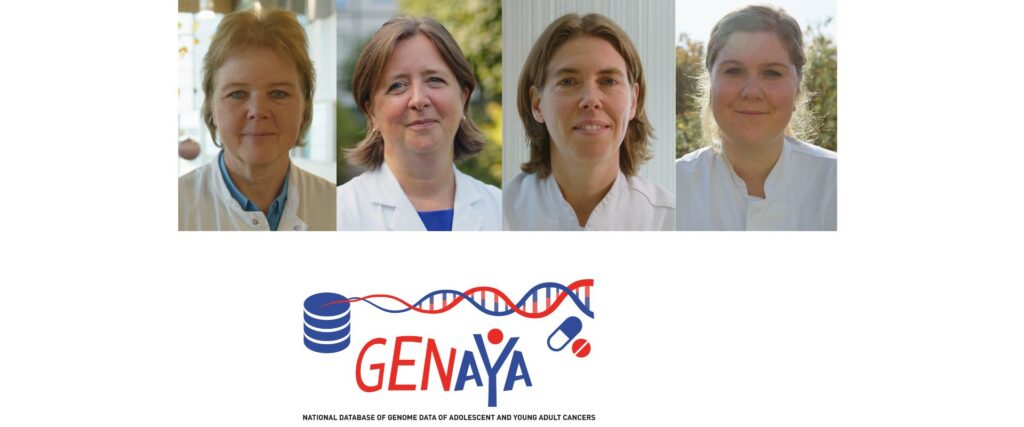
Healthcare providers share insights about GENAYA for young adult cancer patients
In a series of short videos, our specialists share their insights on the GENAYA project. They explain what GENAYA is, …
Blogs

Listening, connecting, and building bridges to make more impact for patients with cancer
This is how Robert Jan Lamers describes his role as managing director of Hartwig Medical Foundation. For four months now, …
Read more
Medicines Policy must be based on real world data
The recent decision by the National Health Care Institute to re-evaluate expensive cancer medicines in real-world practice is a logical …
Read more
Cancer, a rare disease?
It may come as a surprise to many on this International Rare Disease Day (February 28), that a significant number …
Read moreVideos
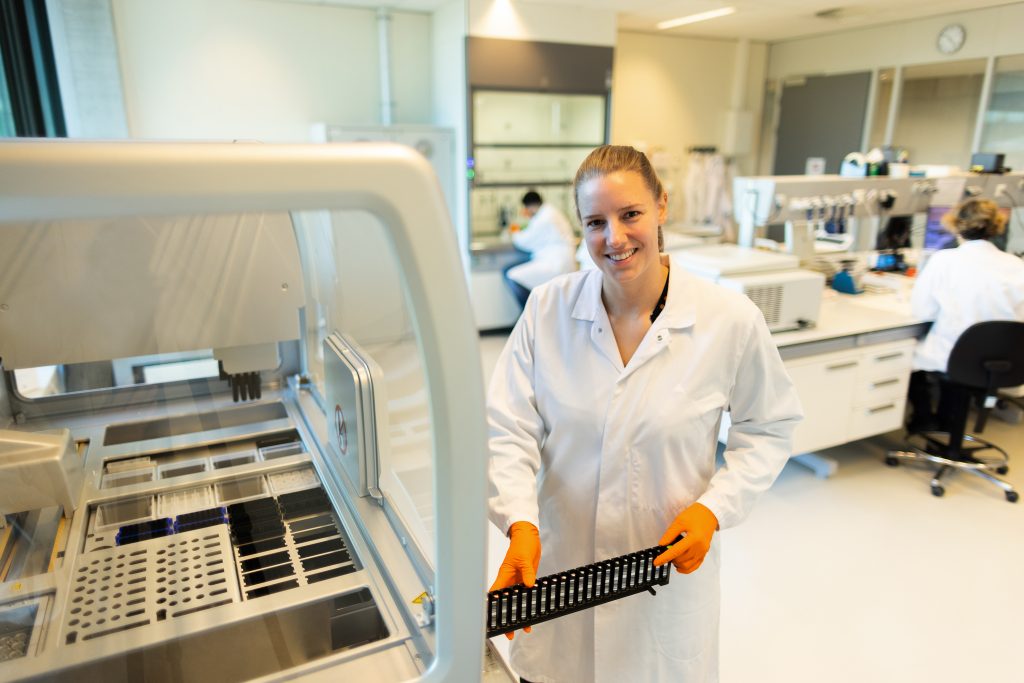
From biopsy to patient report
The comprehensive DNA test can provide patients with cancer with more opportunities for treatment. Using the technique of Whole Genome …
Read more
What does Hartwig Medical Foundation do?
Hartwig Medical Foundation is a unique initiative that makes possible progress in the research of treatment of cancer in the …
Read more
WGS is a helpful addition to our toolbox, alongside the classic HE, IHC and the (broad) NGS panels and should ideally be available in every regional oncology network