DR-040 Utilizing neoantigens to treat pancreatic cancer
Pancreatic cancer is the fourth leading cause of cancer-realated deaths in the world. Current therapeutic options including chemo-, radio- and combinational therapy are not giving satisfactory results. Therefore, there is an emerging need to develop a novel, effective targeted therapy. Immunotherapy engaging the patient’s own immune system is among the newest approaches to target and destroy tumor cells. The immune system can be trained to recognize cancer specific antigens that are encoded by tumor-specific mutated genes (neoantigens). By analysing the seqeuncing data provided by Hartwig Medical Foundation, a list of the most common neoantigens in pancreatic cancer patients will be generated and utilized to synthesize specific peptides in the form of an off-the-shelf vaccine ready to be used for a broad audience. This project is part of the Oncolytic Virus Immune Therapy (OVIT) consortium aiming to employ viro-immunotherapy to treat patients with aggressive cancer types.
Casper van Eijck Erasmus MC the Netherlands
Terug naar nieuwsMeer nieuws

Actieve participatie om tot betere AYA-zorg te komen
Inmiddels nemen 35 ziekenhuizen deel aan het GENAYA-project. Doel van GENAYA is om de Hartwig Medical Database uit te breiden …
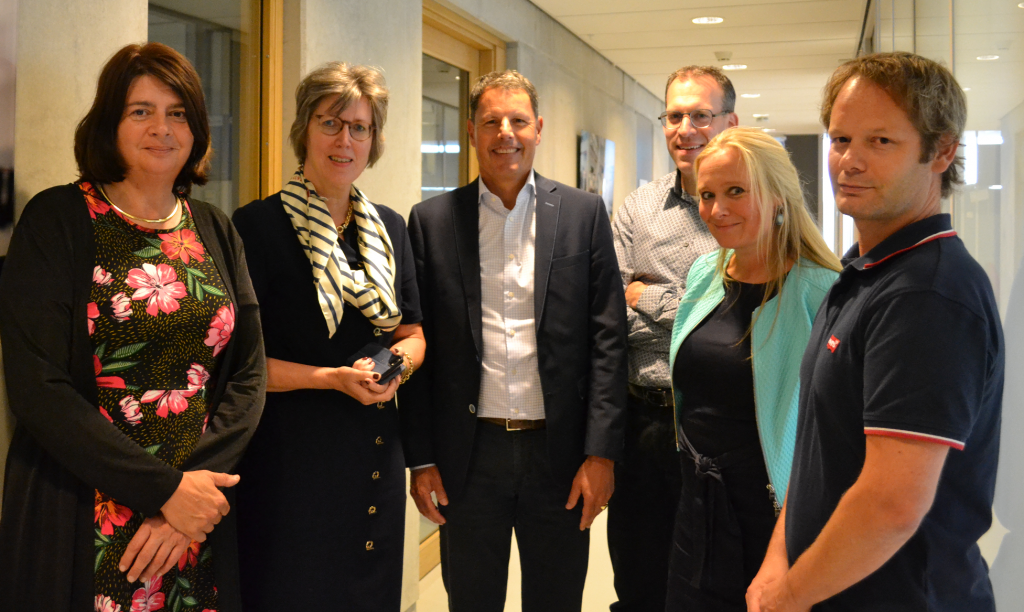
CDA-Woordvoerder Medische Zorg Joba van den Berg: Het vinden van biomarkers en een uitgebreide DNA-test kan bijdragen aan het verminderen van onder- en overbehandeling
10 september 2019 Tijdens het werkbezoek van Joba van den Berg (CDA-woordvoerder Medische Zorg in de Tweede Kamer) en Bowine Michel …

Altijd de patiënt als uitgangspunt
Door Frank van Wijck, wetenschapsjournalist Visser heeft zich tijdens zijn zeven jaar als voorzitter van de DAB als een vis …
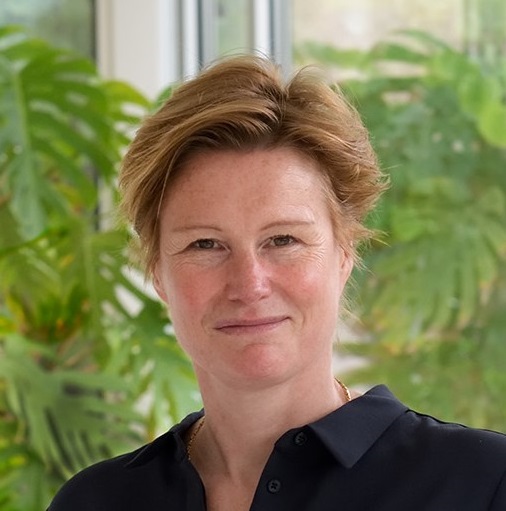
Door WGS hebben we in de moleculaire diagnostiek op onze afdeling een stap gemaakt van de analyse van minder dan 100 genen naar circa 20.000 genen per patiënt. Dat levert ontzettend veel waardevolle informatie, niet alleen voor de patiënt van vandaag, maar ook voor de patiënt van de toekomst.