DR-035 Learning the subtypes of cancer
Histological, immunohistochemical and gene expression markers are routinely used to stratify tumours into clinically distinct subtypes, some of which have targeted therapies that improve prognosis. Recent work has shown that unsupervised clustering using genomic profiling can reveal novel subtypes with distinct clinical outcomes. We will explore if stratifying patients directly from whole genome mutation profiles can identify novel subtypes and driver pathways that could lead to improved personalised therapy opportunities.
David Wedge University of Oxford United Kingdom
Terug naar nieuwsMeer nieuws

Passend oncologisch klinisch onderzoek voor patiënt in 3 stappen
12 oktober 2018 Voortaan heeft elke behandelend arts in 3 simpele stappen direct toegang tot passend oncologisch klinisch onderzoek op basis …
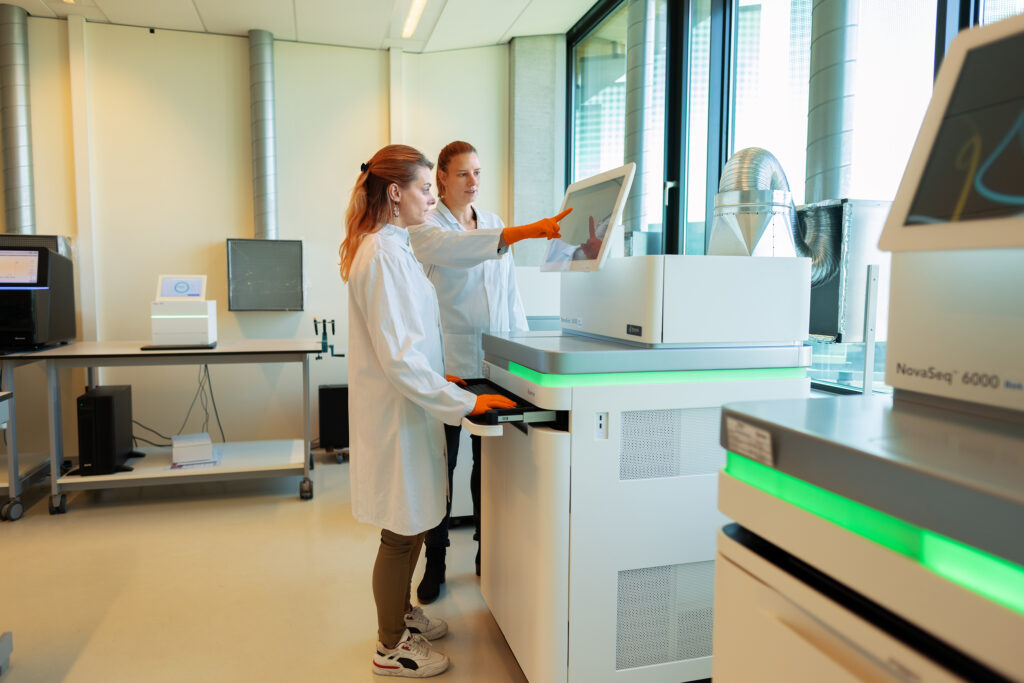
Whole genome sequencing is betrouwbaar, heeft toegevoegde waarde en is prima in te bedden in de dagelijkse pathologie-diagnostiek
Bron: website AvL Voor patiënten met kanker worden doorlopend medicijnen ontwikkeld die specifiek aangrijpen op een DNA-fout in hun tumor. …
New cancer treatment options created by full DNA-analysis
Nature publication reports study by Netherlands Center for Personalized Cancer Treatment showing benefits for targeted treatments outside registered indications 2 …

Kankers zullen steeds vaker voldoen aan de definitie van ‘zeldzaam’ als het gaat om de moleculaire profielen die elke tumor uniek maakt. Hoe meer onderzoek we hiernaar doen, hoe beter we in de toekomst elke patiënt een op maat gemaakte behandeling kunnen aanbieden. Whole genome sequencing en studies als DRUP leveren hier een belangrijke bijdrage aan.