DR-095 Towards the clinical implementation of whole-genome sequencing (WGS) to guide precision oncology
If we are able to better predict who will respond to treatment, this could have major implications for clinical practice. By better identification of patients who will benefit from treatment, we would prevent patients from undergoing aggressive treatment in the end stage of their lifes from which they will not benefit, with as an added benefit reduced health care costs.
Harry Groen UMCG the Netherlands
Terug naar nieuwsMeer nieuws

Arno de Quaasteniet nieuw directielid Hartwig Medical Foundation
Met ingang van 1 oktober 2024 is Arno de Quaasteniet (‘77) als chief information officer het vierde directielid van Hartwig …
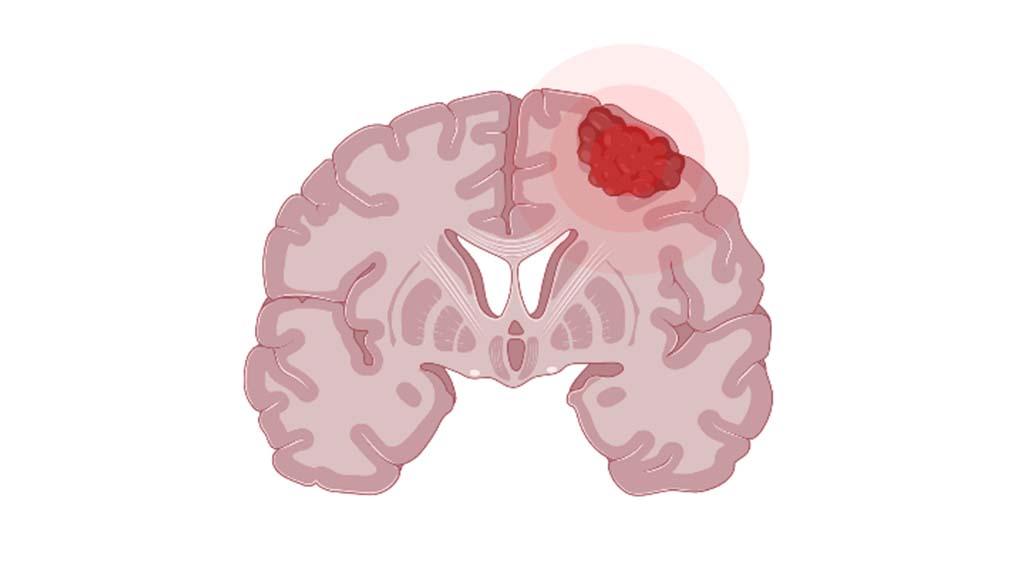
Nieuwe CPoC-subsidie toegekend: GLOW – GLioblastoma targeted treatment Option maximisation by WGS
Oncode Institute heeft bekend gemaakt dat de 13e subsidie binnen het programma Clinical Proof of Concept is toegekend. Oncode-onderzoeker Edwin …
Binnen de zorg moeten we anders gaan denken over onderzoek
Interview met prof. Dr. Miriam Koopman, internist-oncoloog, hoogleraar colorectale oncologie en dagelijks bestuur Prospectief Landelijk CRC cohort (PLCRC) 7 augustus …

Kankers zullen steeds vaker voldoen aan de definitie van ‘zeldzaam’ als het gaat om de moleculaire profielen die elke tumor uniek maakt. Hoe meer onderzoek we hiernaar doen, hoe beter we in de toekomst elke patiënt een op maat gemaakte behandeling kunnen aanbieden. Whole genome sequencing en studies als DRUP leveren hier een belangrijke bijdrage aan.