DR-099 PEGASUS – Pancreatic and EsophagoGastric cAncer, improving Survival and qUality of life through personalized medicine
Pancreatic cancer and esophagogastric cancer are among the most deadly forms of cancer: despite intensive treatment with chemotherapy and / or surgery, the majority of patients die from the disease. In PEGASUS we investigate whether molecular techniques are of value in predicting which patients will benefit from such intensive treatment, both with regard to the chance of survival as well as quality of life. We are also investigating whether there are molecular targets that could improve treatment even further with patient tailored drugs. We will weigh the costs of using molecular techniques against the benefits and risks for the patient.
Hanneke van Laarhoven Amsterdam UMC the Netherlands
Terug naar nieuwsMeer nieuws
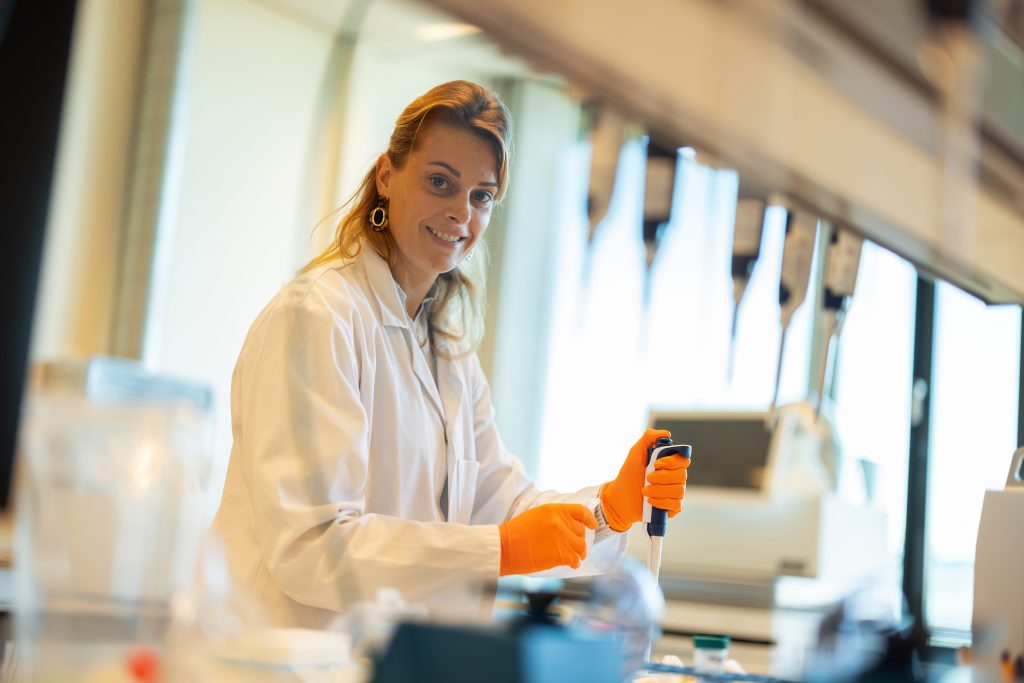
Tussenstand GENAYA-project
In april 2022 is Hartwig Medical Foundation gestart met het GENAYA-project. Wat is de stand van zaken? Wat houdt GENAYA …

Hartwig zoekt internationale samenwerking op
Nu de gezondheidszorg steeds meer in de richting gaat van persoonlijke geneeskunde, speelt Whole Genome Sequencing (WGS) een cruciale rol …
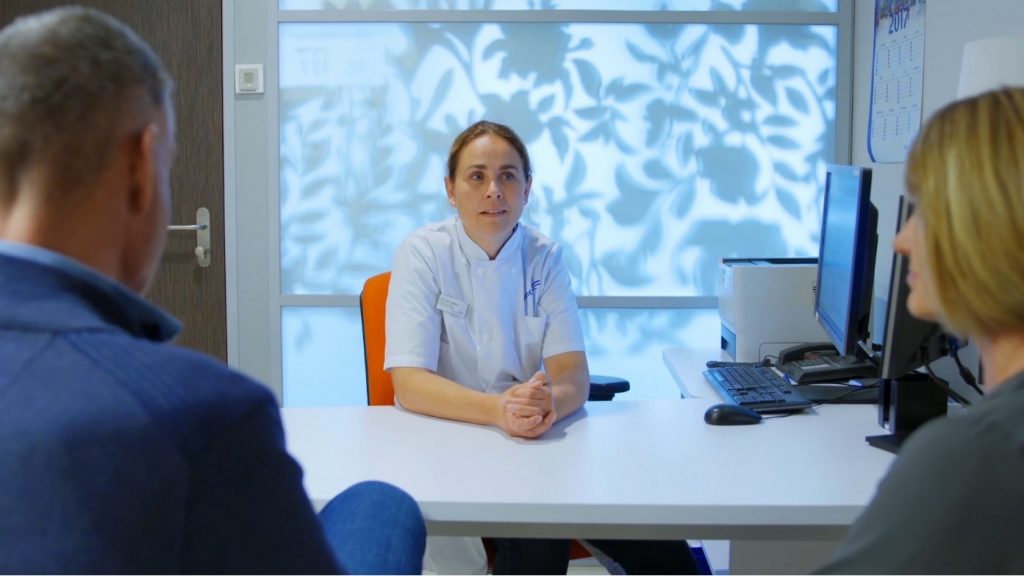
Nieuwe film: patiënten, artsen en onderzoekers over belang betere kankerzorg
In ‘Van biopt tot betere kankerzorg’ laten wij en CPCT zien hoe we samen werken aan vooruitgang in het onderzoek …

We willen het maximum aan informatie uit de tumor van de patiënt halen. Deze DNA-test is daarvoor het best beschikbare instrument. Er is maar één keer weefsel, een biopt, met voldoende tumorcellen nodig. Omdat het hele genoom wordt onderzocht, ook de gebieden in het DNA waarvan we nu nog niet weten of de gevonden afwijkingen belangrijk zijn, is deze DNA-test tumortype onafhankelijk en toekomstbestendig. Deze eigenschappen zijn de twee belangrijkste eigenschappen van WGS.