DR-391 Identifying cancer causing regulators using high throughput transcriptomics and whole-genomics data
Here, we propose to identify the link between noncoding regulatory mutations and the aberrantly activated regulatory proteins in cancer cells that implement the dysregulatory programs, using both whole genome and gene expression datasets. Previous studies have focused primarily on coding mutations, but the dysregulatory cellular programs that create and sustain cancer are not well studied. Through combined whole-genome and -transcriptome analyses, we aim to identify the key regulatory proteins orchestrating dysregulation in cancer cells. The findings will elucidate novel mechanistic details of dysregulation in cancer and facilitate drug development and precision medicine.
Felix Dietlein, Chidren’s Hospital Boston, USA
Terug naar nieuwsMeer nieuws
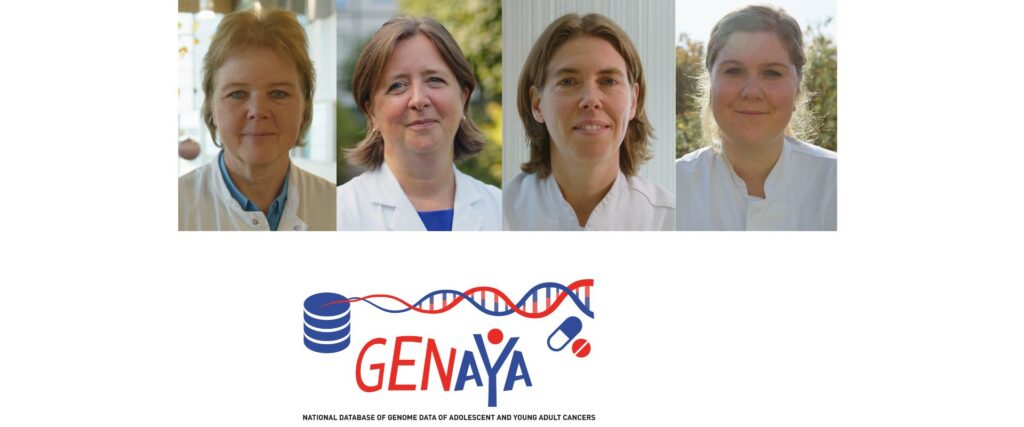
Zorgverleners delen inzichten over GENAYA voor jongvolwassen patiënten met kanker
In een reeks korte video’s delen vier zorgverleners hun inzichten over het GENAYA-project. Ze vertellen wat GENAYA precies inhoudt, hoe …

Podcast HealthRewired: waar data en behandeling samenkomen
Wat we uiteindelijk willen, is voor iedere patiënt met kanker een behandeladvies op maat kunnen geven, prof. dr. Miriam Koopman, …

‘Om echt te weten hoe kanker ontstaat, heb je gegevens van echte patiënten nodig’
Onderzoeker over datagebruik Ruben van Boxtel, senior post-doc bij het Center for Molecular Medicine van het UMC Utrecht maakt gebruik …

Zolang de behandelaar niet weet waar de primaire tumor zit, heeft hij ook geen gerichte behandelmogelijkheid en kan ook geen inschatting worden gegeven hoe lang iemand nog heeft.