DR-468 Investigating effects of cancer treatment on metastatic risk and survivorship
Patients diagnosed with aggressive breast cancers, such as triple-negative breast cancer, often require intensive chemotherapy treatments. While these treatments are increasingly effective at eliminating cancer, they can also affect healthy cells and organs, sometimes increasing the risk of developing secondary tumours in places like the lungs or brain.
This project aims to use detailed clinical and genetic data from breast cancer patients to investigate how different chemotherapy treatments may influence where and how often these secondary tumours occur. By analysing this information, we aim to better understand the risk of relapse and identify biological changes caused by treatment that might make certain organs more vulnerable to secondary tumours.
Ultimately, our goal is to help develop strategies that prevent secondary cancers and improve the long-term health and quality of life for patients who depend on these therapies.
Cristina Branco, The Queen’s University Belfast, United Kingdom
Terug naar nieuwsMeer nieuws
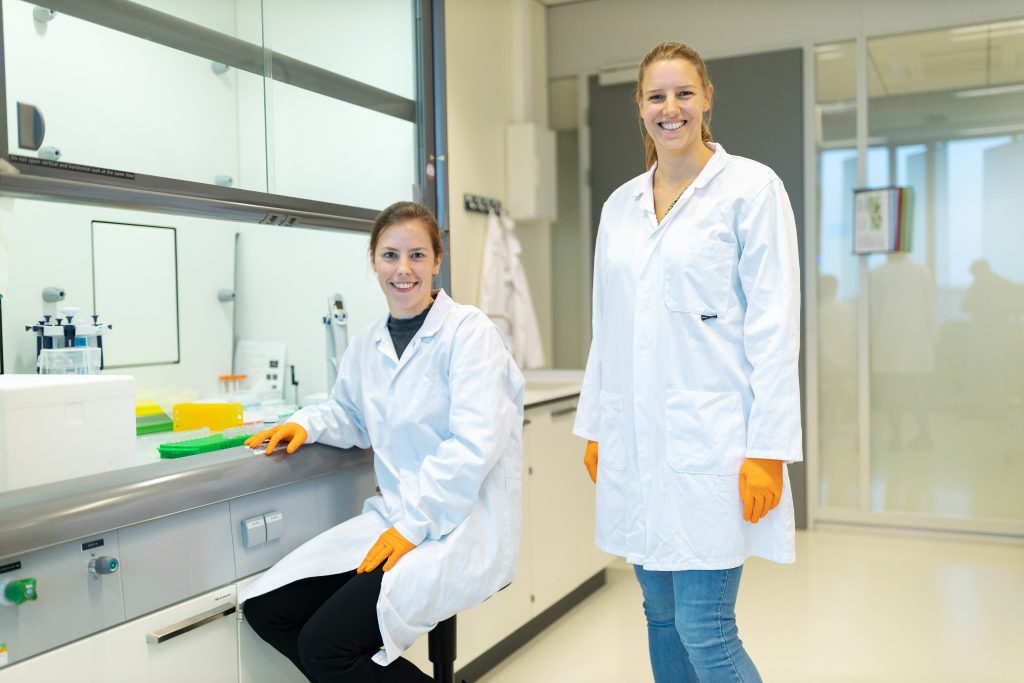
GENAYA: Informatieve middagen en rondleidingen in januari
Op woensdag 11 januari en vrijdag 20 januari 2023 organiseert het GENAYA-projectteam van Hartwig Medical Foundation informatieve middagen over GENAYA. …
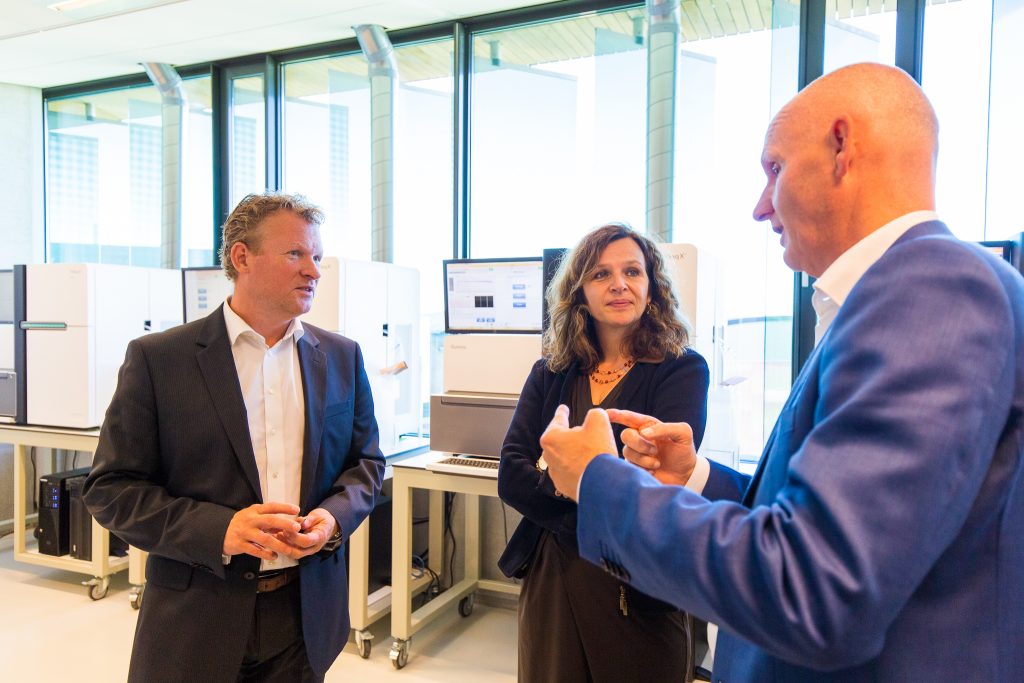
Minister Schippers op bezoek bij Hartwig Medical Foundation
“Om ook in de toekomst de best mogelijke en betaalbare zorg voor patiënten met kanker te leveren is het noodzakelijk …

Tweede Kamerleden vragen minister om uitgebreide DNA-test in basispakket op te nemen
Vandaag is Wereldkankerdag. Tweede Kamerleden Léonie Sazias (50PLUS), Joba van den Berg (CDA) en Hayke Veldman (VVD) hebben de minister …

We willen het maximum aan informatie uit de tumor van de patiënt halen. Deze DNA-test is daarvoor het best beschikbare instrument. Er is maar één keer weefsel, een biopt, met voldoende tumorcellen nodig. Omdat het hele genoom wordt onderzocht, ook de gebieden in het DNA waarvan we nu nog niet weten of de gevonden afwijkingen belangrijk zijn, is deze DNA-test tumortype onafhankelijk en toekomstbestendig. Deze eigenschappen zijn de twee belangrijkste eigenschappen van WGS.