DR-483 Characterization of the evolutionary dynamics of mutational signatures for clinically actionable cancer genomics
We aim to decode how cancers mutate their DNA over time and use that knowledge to improve patient care. Using data from germline and somatic mutations, as well as RNA editing events, derived from WGS and RNA-seq from multiple cancer types, we will identify mutational signatures revealing the processes responsible and at which point they have been active in tumor evolution towards metastasis. We will build AI tools to detect these mutational fingerprints and link them to key driver genes, therapies, and outcomes. The results could enable more accurate risk assessment, prognosis, and therapy selection tailored to each patient.
Marcos Díaz-Gay, Spanish National Cancer Research Center (CNIO), Spain
Terug naar nieuwsMeer nieuws

Op zoek naar de motor achter tumorgroei bij blaaskanker
Uroloog Joost Boormans behandelt veel patiënten met blaaskanker en andere tumoren aan de urinewegen. Deze tumoren groeien vaak agressief. Hij …
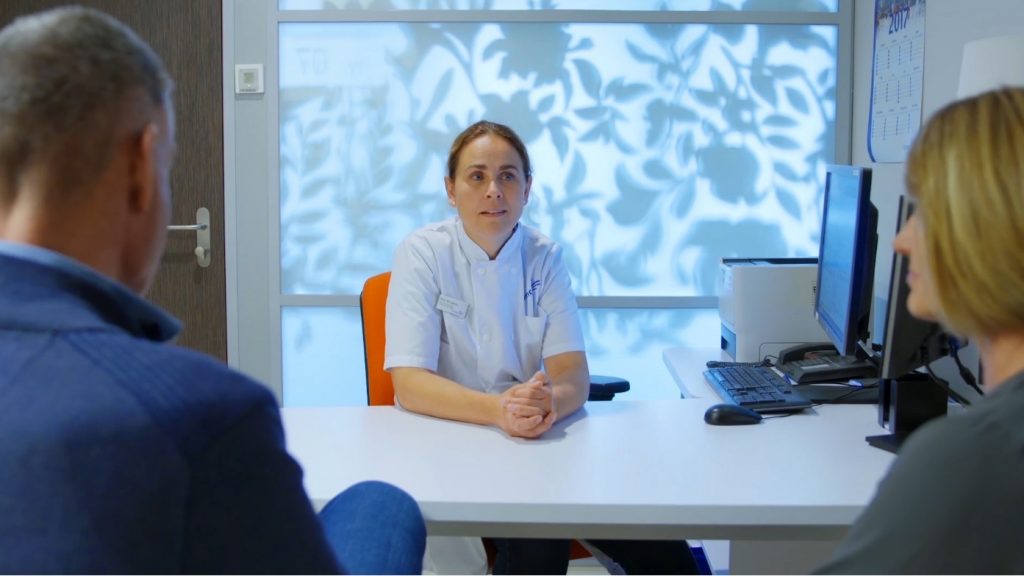
‘Genetisch onderzoek helpt te voorspellen welke behandeling het beste resultaat geeft’
In een artikel in een bijlage bij Trouw over Personalized medicine vertellen oncologen Mariette Labots (VUmc) en Jan Schellens (Antoni …

Clinical Trials Day en het belang van structureel vastleggen van behandeluitkomsten
Op Clinical Trials Day iedere 20 mei, staan we stil bij het belang van klinisch onderzoek. Voor Hartwig is dit …

De kennis die we met WGS vergaren kan ons een stap dichterbij ons doel brengen om voor elke patiënt een effectieve en passende behandeling te vinden, niet op basis van ‘one size fits all’, maar aangepast aan de kenmerken van de patiënt en de tumor.