DR-056 The identification and characterization of predictive markers of therapy response in metastatic breast cancer by assessing cell heterogeneity in RNA sequencing data.
The use of molecular pathology (for example DNA-testing) has increasingly allowed the selection of the right treatment for the right patient (personalized medicine). Nonetheless, the majority of anticancer treatments remains not patient-specific. As a result, patients still receive ineffective treatments. A possible explanation for this might be found in the tumoral heterogeneity (ie. the presence of different types of cells). Recently, an computional algorithm (Tumor Cell Deconvolution (TCD)) has been developed in breast cancer patients to assess the cellular heterogeneity of a tumor, for every patient specific. With the TCD, we can identify specific cell types, and can explore whether these specific cell types determine the response to therapy.
Emile Voest NKI/AvL the Netherlands
Terug naar nieuwsMeer nieuws

DNA-analyse voor therapie op maat
27 februari 2019 Mensen met een minder voorkomende kankersoort en patiënten die zijn uitbehandeld komen mogelijk in aanmerking voor een …
GENAYA: eerste 8 patiënten geïncludeerd
De afgelopen maanden zijn de eerste patiënten aangemeld voor en geïncludeerd in het GENAYA-project. Dat betekent dat Hartwig Medical Foundation …
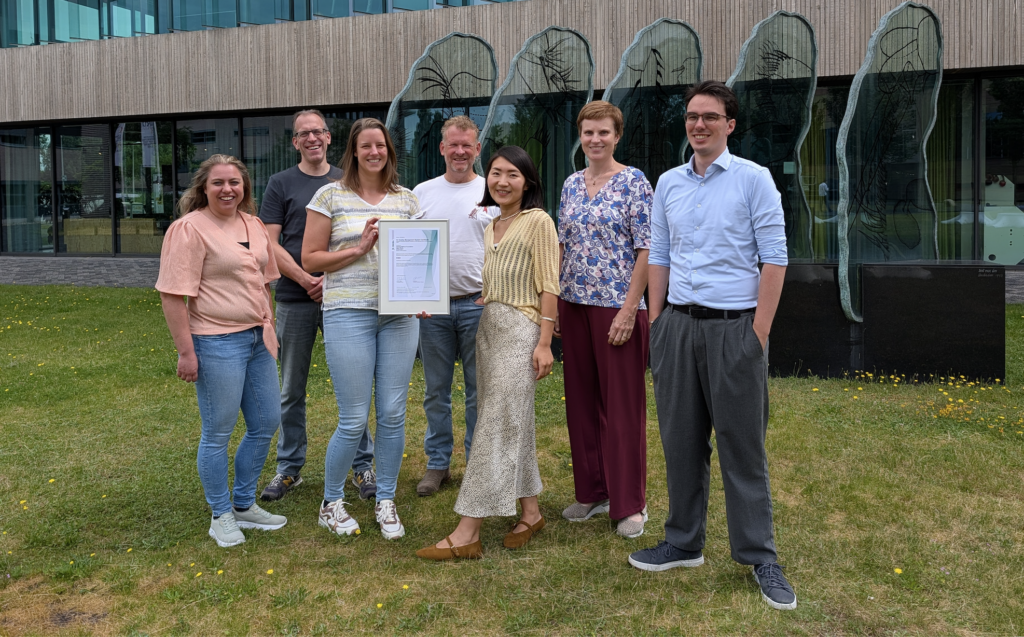
Hartwig ontvangt CE-markering voor softwareoplossing OncoAct
Hartwig Medical Foundation heeft een IVDR CE-markering verkregen voor Hartwig Medical OncoAct (OncoAct), haar softwareoplossing voor kankerdiagnostiek op basis van …

De complete DNA-test is een belangrijke stap op weg naar behandeling van vormen van kanker die nu nog niet behandeld kunnen worden met doelgerichte medicijnen.