DR-050 Discovery and Clincal Characterization of Cancer Driver Mutations in Noncoding regions
Cancer genomes typically harbor a substantial number of somatic mutations. However, only few of these mutations actually contribute to tumor development. To identify these so-called driver mutations, large-scale aggregated sequencing datasets are needed. Over the past decade, the search for driver mutations has been mostly focussed on coding regions. Substantially less is known whether and to which degree mutations in non-coding regions are functionally involved in tumor formation. With the drop in sequencing costs over the past years, it became possible to sequence the entire genomes of large cohorts of cancer patients (e.g. the dataset provided by Hartwig Medical Foundation). However, the avaialalbity of these datasets has not been met with the of algorithms that are particularly designed to the underlying biology of these data yet. The goal of this project is to develop a statistical framework which systematically identifies driver mutations in non-coding regions in aggregated whole-genome sequencing data. For this purpose, we will particularly consider the biological differences between coding an non-coding regions, in order to specifically taylor our algorithm to non-coding regions. Applying this refined approach to ~2500 Whole Genome Sequencing data, we will systematically characterize which mutations in non-coding regions are relevant to oncogenesis.
Eliezer van Allen Dana-Farber Cancer Institute USA
Terug naar nieuwsMeer nieuws

Hartwig zoekt internationale samenwerking op
Nu de gezondheidszorg steeds meer in de richting gaat van persoonlijke geneeskunde, speelt Whole Genome Sequencing (WGS) een cruciale rol …

Uitgebreide DNA-test vergoed voor patiënten met PTO
Sinds afgelopen april wordt de uitgebreide DNA-test vergoed voor patiënten waarvan niet bekend is waar de primaire tumor zich bevindt. …
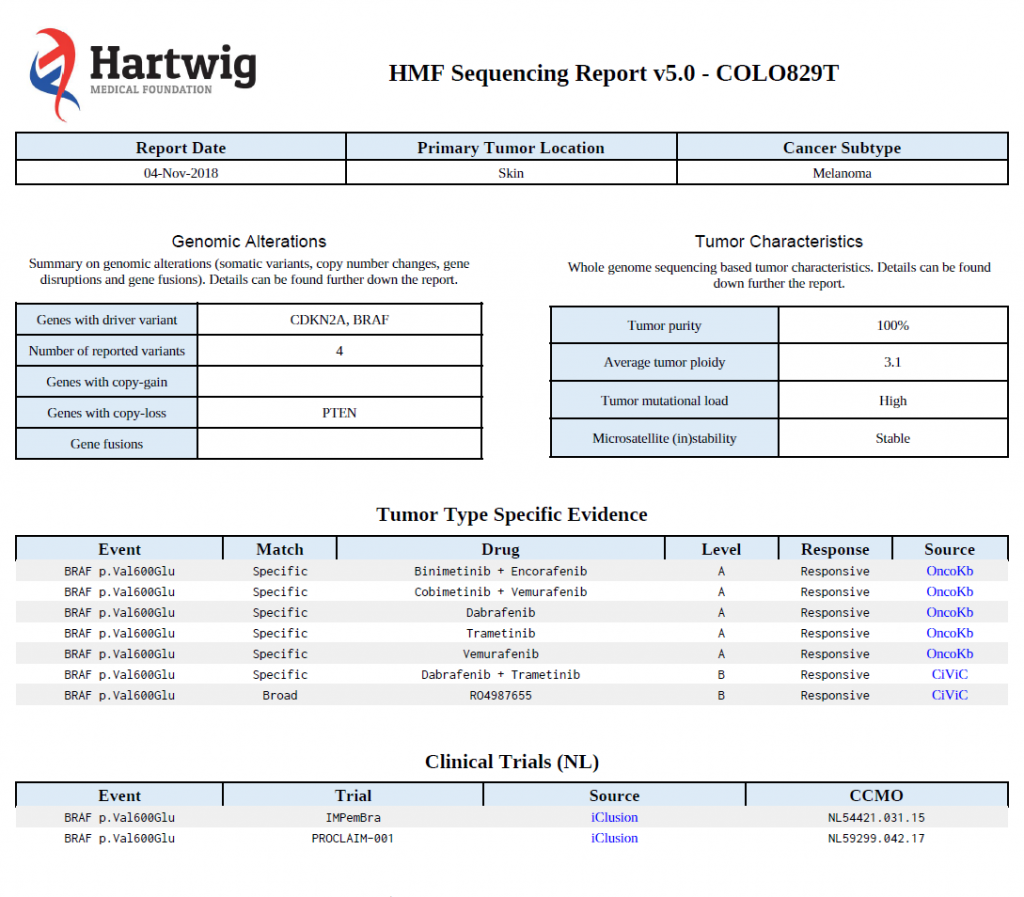
Patiëntrapport ondersteunt de behandelaar bij klinische besluitvorming
In Oncologie up-to-date vertelt Paul Roepman, klinisch moleculair bioloog van Hartwig Medical Foundation over de snelle ontwikkeling van het patiëntrapport, …

Een complete DNA-test biedt bij patiënten met PTO de extra mogelijkheid om erachter te komen waar de kanker is begonnen. Hierdoor wordt vaak de primaire tumor toch gevonden. Daarnaast geeft de test vaak aanknopingspunten voor een gerichte behandeling.