DR-281 Identification of Cancer-Driving Mutations in Non-coding Regions
98% of our genome is non-coding and recent studies – including the landmark PCAWG analysis of 2,600 whole genomes – have discovered a number of exciting candidate mutations in non-coding regions which may drive cancer processes. Understanding the mechanisms behind cancer processes – i.e. proliferation, invasion, metastasis, etc – is crucial to expanding treatment options. However, discovery of non-coding driver mutations is still in its nascency and statistical analysis of these regions continues to be refined. Our project improves on existing driver-calling methods by analyzing mutations in a cancer-specific context and across regulatory regions to identify novel non-coding driver mutations.
Ekta Khurana, Weill Medical College of Cornell University, United States of America
Terug naar nieuwsMeer nieuws

Hartwig zoekt internationale samenwerking op
Nu de gezondheidszorg steeds meer in de richting gaat van persoonlijke geneeskunde, speelt Whole Genome Sequencing (WGS) een cruciale rol …
Patiënten gebaat bij whole genome sequencing voor immuuntherapie
Immuuntherapie is een goede therapie voor veel mensen met kanker. Het aantal afwijkingen in het DNA van de tumor is in …
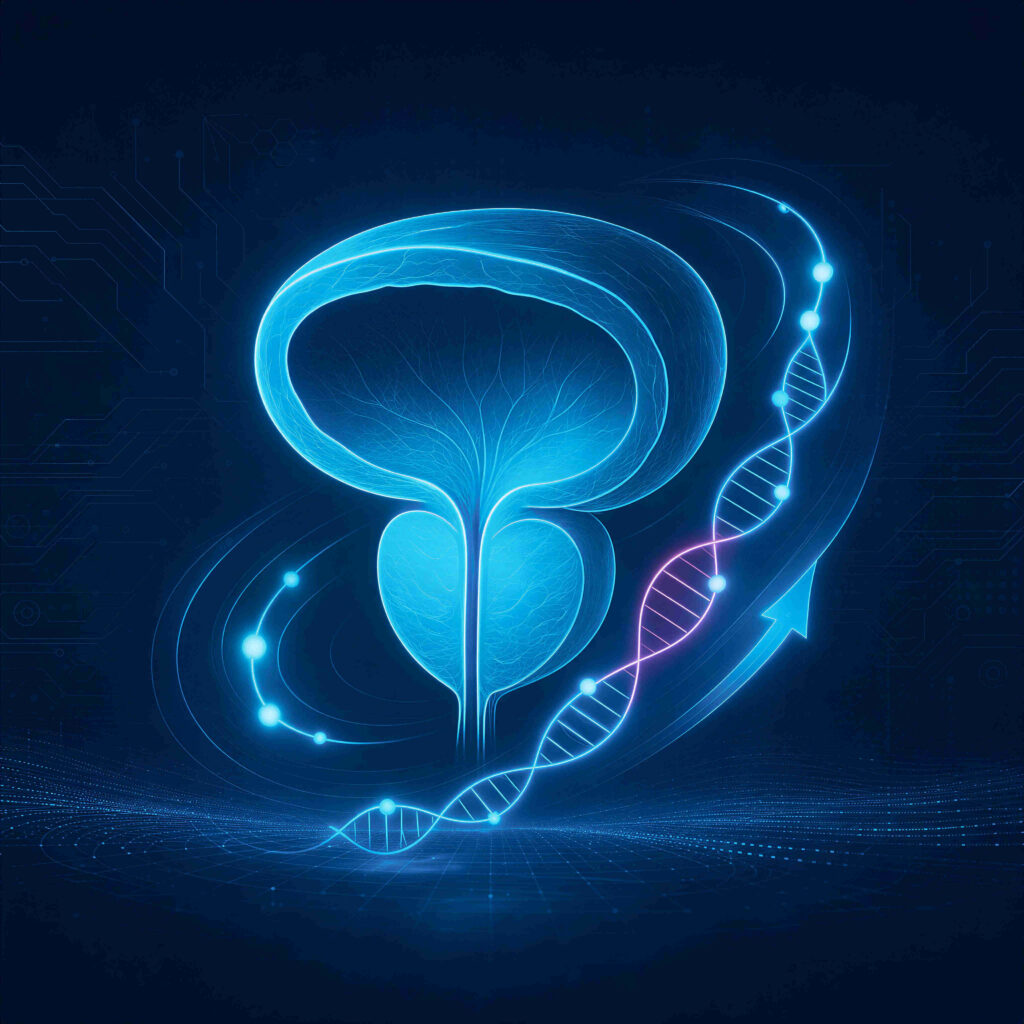
Waarom genomen klinische data nodig hebben: Naturestudie gebruikt Hartwig real-worlddata om een prostaatkankerbiomarker te testen
Klinische heterogeniteit van prostaatkanker beter begrijpen Een nieuwe studie in Nature onderzoekt de mutatieprocessen achter de klinische heterogeniteit van prostaatkanker …

De complete DNA-test is een belangrijke stap op weg naar behandeling van vormen van kanker die nu nog niet behandeld kunnen worden met doelgerichte medicijnen.