DR-032 ctDNA analysis to predict early recurrence after chemoradiation in head and neck squamous cell cancer (HNSCC)
“Patients with head and neck cancer too advanced for surgical resection have a very poor prognosis, despite the currently standard, very intensive treatment which consists of a combination of chemotherapy and radiotherapy. Until now we have not been successful in identifying patients with a very poor prognosis. To spare these patients unnecessary treatment and its side-effects, better upfront patient selection is urgently warranted.
A minimally-invasive method to determine which patient will benefit from a certain treatment, is by taking so-called liquid biopsies. In liquid biopsies, we look at tumor-specific genetic variations in the blood of our patients. We are planning to do a study in which we correlate the level of a specific mutation which is often found in head and neck cancer, TP53, with the chance of disease recurrence. We also want to look at other genetic variants in liquid biopsies that are associated with poor prognosis. So far, the known genetic variants have been identified in the original primary tumors. However, genes that are mutated specifically in metastases, which we know can differ from the original primary tumor, are likely largely responsible for its aggressive behavior. Therefore, we will identify recurrent genetic variations in the metastases of patients with head and neck cancer. These variations will then be included in an elaborate liquid biopsy test, which we will correlate with prognosis in our observational study.”
Bianca Mostert Erasmus MC the Netherlands
Terug naar nieuwsMeer nieuws

We moeten als pathologen actief de samenwerking zoeken
Wat zijn de ervaringen van pathologen met Whole Genome Sequencing (WGS)? Maken ze gebruik van deze complete DNA-test en zo …
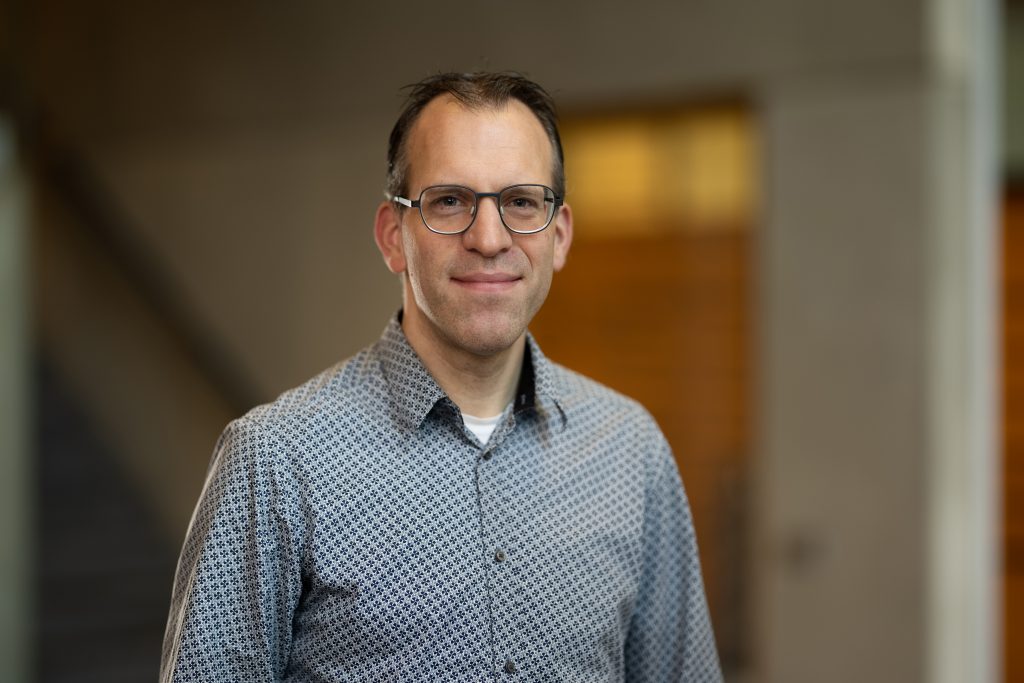
‘Mutational load kan belangrijke voorspeller zijn voor immuuntherapie’
‘Een schitterende ontwikkeling,’ zo reageert Paul Roepman, klinisch moleculair bioloog in de pathologie bij Hartwig Medical Foundation, op de recent …
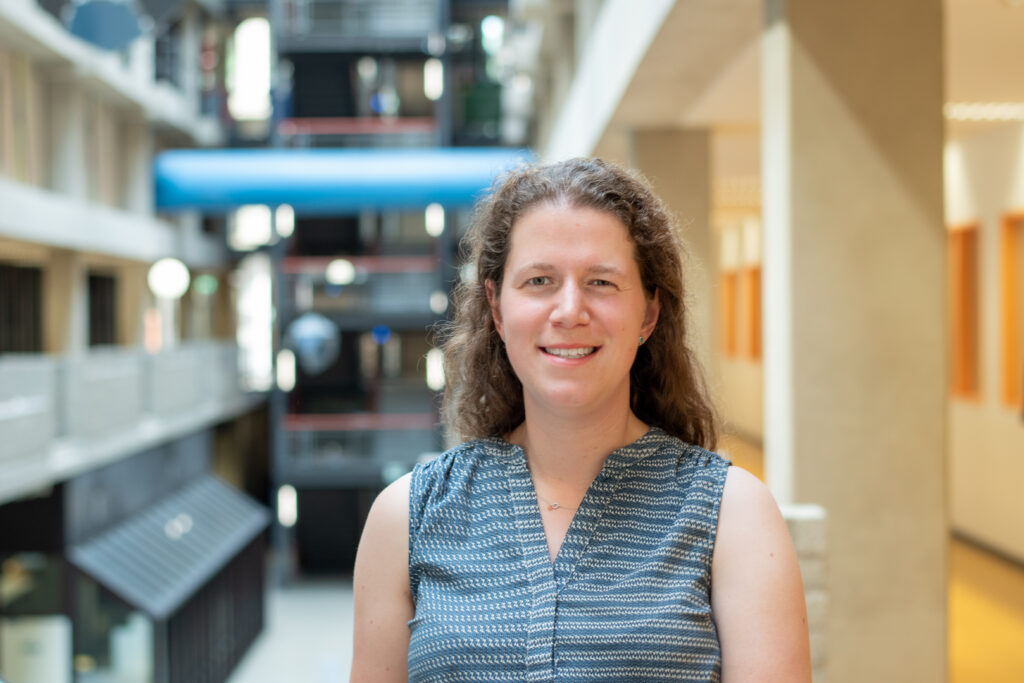
Therapie-succes voorspellen op basis van genexpressie
Naast Whole Genome Sequencing van DNA, doet Hartwig Medical Foundation Whole Transcriptome Sequencing van RNA. Onderzoekster Marjolein Lansbergen maakte hier …

De kennis die we met WGS vergaren kan ons een stap dichterbij ons doel brengen om voor elke patiënt een effectieve en passende behandeling te vinden, niet op basis van ‘one size fits all’, maar aangepast aan de kenmerken van de patiënt en de tumor.