DR-185 A human interpreter validation on results generated by artificial intelligence (AI) algorithms developed for outcome and response predictions for CRC and melanoma patients: optimal use and validation of multi-layer research data
We want to achieve better care for patients with CRC and melanoma, by allowing a multidisciplinary team of researchers to being able to query, analyse and integrate DNA and RNA sequencing data with matching clinical, pathology and radiology images and annotations, using different approaches: (1) artificial intelligence (AI), in order to determine whether predictive disease outcome correlations/algorithms using these data types can be identified, and (2) exploration of available data (in different formats than required for AI) on a human readable platform, allowing researchers to determine whether it is possible to explain AI findings by human interpretation of the data.
Mariska Bierkens, Netherlands Cancer Institute, the Netherlands
Terug naar nieuwsMeer nieuws
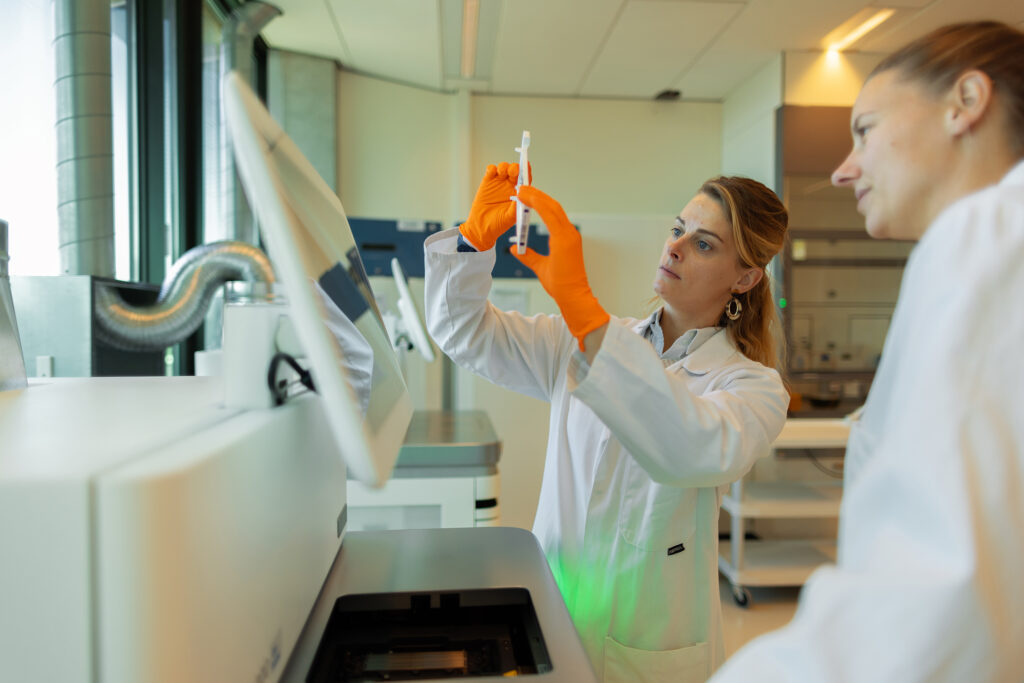
In de media: Betere diagnostiek zorgt voor betere behandeling
Bron: Bijlage bij het Financieele Dagblad 28-9-22 Kennis over de genetische eigenschappen van een tumor blijkt een grote hulp bij …
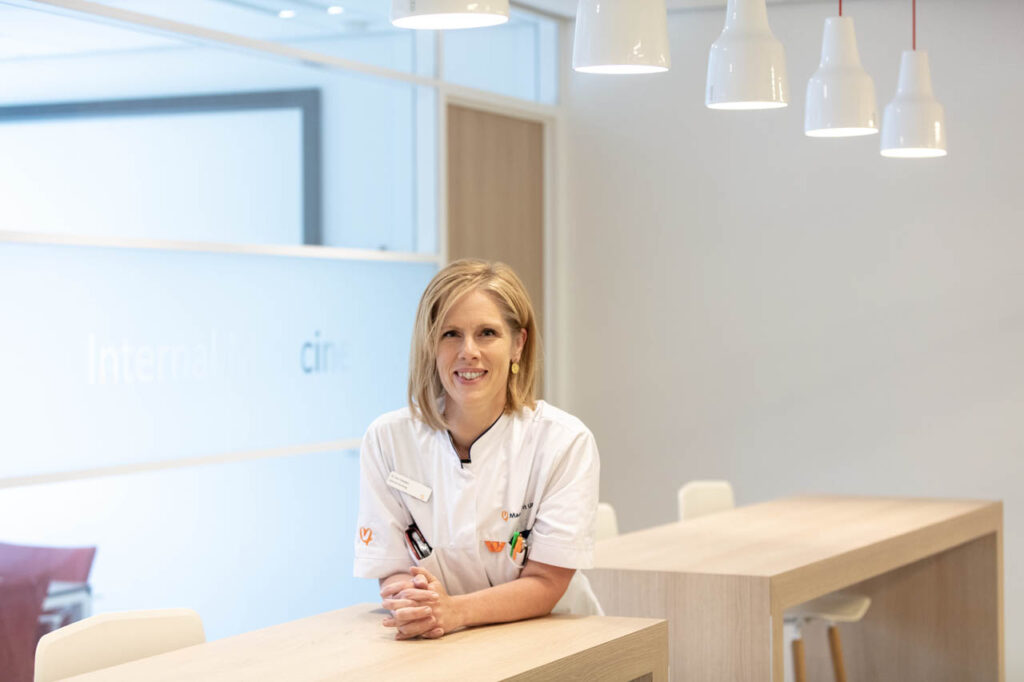
Op zoek naar de optimale behandelstrategie voor glioblastoom
Patiënten met een terugkerend glioblastoom hebben weinig behandelopties. De recent opgestarte GLOW-studie moet daar verandering in brengen. Ann Hoeben, medisch …

Oog voor de ethische aspecten van het delen van data
Eline Bunnik is universitair hoofddocent bij de afdeling medische ethiek, filosofie en geschiedenis van de geneeskunde aan het Erasmus MC …

In ons vak is het heel belangrijk om naast de kennis over de patiënt meer kennis te hebben van de tumor van de patiënt.