DR-337 Connecting telomere dysfunction, tumorigenesis and cancer evolution using short-read DNA and RNA sequencing data
The Barthel lab uses advanced sequencing and molecular approaches to study the development and evolution of brain tumors. We have several translational and basic science research projects in this field. Telomeres are repetitive DNA sequences at the end of chromosomes. Telomeres shorten with each cell division. When telomeres become too short, as often the case in cancer, they become dysfunctional. Dysfunctional telomeres are a catalyst for large structural DNA mutations. We will use DNA and RNA sequencing data from Hartwig Foundation dataset to characterize the consequences of telomere dysfunction in human tumors. More specifically, we will develop an algorithm to detect fused telomeres or otherwise improperly oriented telomeric repeats from paired-end short DNA reads. RNA sequencing will be used to determine if said rearrangements are impacting the transcriptome. Finally, by relating our findings to patient clinical data, we will evaluate the impact of telomere dysfunction on tumor grade and patient outcome.
Floris Barthel, The Translational Genomics Research Institute (TGen), USA
Terug naar nieuwsMeer nieuws
Mariska Kool gestart als lid Data Access Board Hartwig Medical Foundation
Op 1 juli 2022 is Mariska Kool, advocaat op het gebied van ICT-recht en partner bij advocatenkantoor The Data Lawyers, …
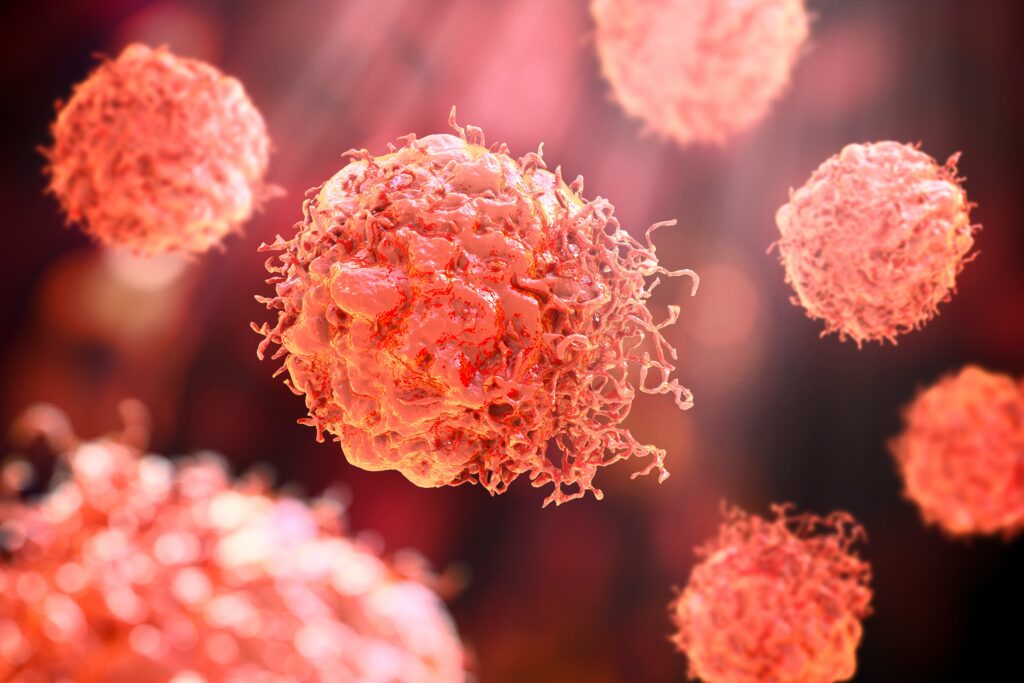
Nieuwe studie met Hartwig-data laat zien hoe het genetisch profiel van borstkanker verandert bij uitzaaiing
Analyse van bijna 1.300 tumorgenomen binnen tien genomische subtypen wijst op nieuwe aanknopingspunten voor behandeling en biomarkers bij uitgezaaide borstkanker. …
‘Zonder de complete DNA-test was ik er niet meer geweest’
26 oktober 2021 in het Algemeen Dagblad: Iedereen heeft in zijn omgeving weleens te maken gehad met een vorm van …
Er komen steeds meer oncologische geneesmiddelen beschikbaar die maar voor een klein deel van de patiënten geschikt zijn. Op dit moment vinden we die patiënten niet. Bij élke patiënt met uitgezaaide kanker zou uitgebreide genetische screening moeten plaatsvinden.