DR-452 AI-Driven Tumor-Agnostic MSI-H Prediction and Immunotherapy Response Modeling
Microsatellite instability (MSI) is a key biomarker of sensitivity to immune checkpoint inhibitors (ICIs) across tumour types. Despite its clinical significance, routine MSI testing is standard only in colorectal and endometrial cancers. As a result, MSI remains underdiagnosed in malignancies where MSI is rare, leading to underutilization of ICIs in these settings. This project will contribute to personalized treatment of MSI solid tumors by enabling the detection of MSI beyond traditionally tested cancers based on H&E slides. In addition, we aim to a multimodal AI modal for response prediction to ICIs based on H&E and NGS data.
Niven Mehra, Radboudumc, the Netherlands
Terug naar nieuwsMeer nieuws

Wat doet Hartwig Medical Foundation met alle verzamelde data?
Regelmatig krijgen wij bij Hartwig Medical Foundation vragen rondom de onderwerpen eigendom van data, publicatierecht en intellectual property (IP). Om …
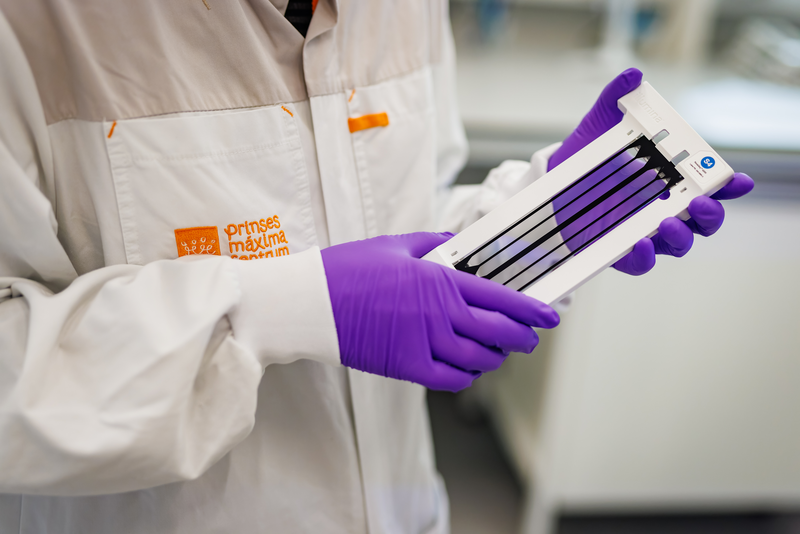
Kanker bij kinderen: Máxima en Hartwig werken samen aan diagnostiek en onderzoek
Het Prinses Máxima Centrum voor kinderoncologie en Hartwig Medical Foundation starten een samenwerking om technieken voor moleculaire diagnostiek te verbeteren. …

Medicalfacts: 1,5 miljoen optimalisering inzet DNA diagnostiek oncologie
De afgelopen jaren zijn er veel nieuwe medicijnen tegen kanker op de markt gekomen. Deze werken bij een deel van …

Het feit dat het CPCT het samen met Hartwig Medical Foundation voor elkaar heeft gekregen om data, kennis en kunde van vrijwel alle Nederlandse ziekenhuizen te bundelen, is uniek en krijgt inmiddels ook internationale aandacht.