DR-490 Detection of DNA damage response (DDR) dysfunction from tumor sequencing data
To continue unchecked growth, cancer cells bypass mechanisms that protect our genomic code, such as DNA repair and telomere maintenance. We will use tumor sequencing data from large patient cohorts, including from the Hartwig Medical Foundation (HMF), to characterize defects in genome maintenance mechanisms, and study how these changes influence treatment response and tumor prognosis. This work will enable clinicians to use clinical sequencing of patients’ genomes to guide treatment decisions and may reveal new therapeutic targets.
Quaid Morris, Memorial Sloan Kettering Cancer Center, United States
Terug naar nieuwsMeer nieuws
ASCO 2021: Presentaties whole genome sequencing
Op het congres van de American Society of Clinical Oncology (ASCO) van 4-8 juni 2021 hebben onderzoekers Kris Samsom en …
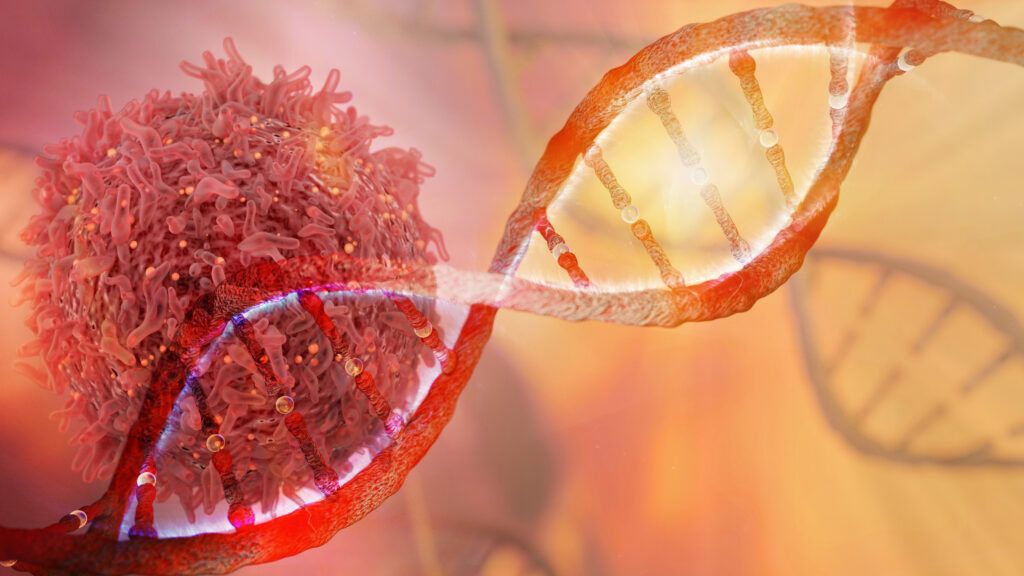
Biomarkers onthullen welke patiënten niet profiteren van behandeling
Onderzoekers van het Vall d’Hebron Institute of Oncology hebben in samenwerking met Hartwig Medical Foundation genomische signalen geïdentificeerd die voorspellen …

Whole Genome Sequencing is haalbaar in klinische praktijk
Op 19 september 2020 heeft dr. Kim Monkhorst, patholoog NKI/AVL de interimresultaten van WIDE, waarvan hij samen met prof.dr. Gerrit …

Als je WGS één keer doet bij een patiënt met gemetastaseerde kanker, weet je meteen alles wat je nodig hebt om een gerichte behandeling te bieden als die – geregistreerd of in onderzoeksetting – beschikbaar is.