DR-531 Validation of a copy-number alteration-based genomic signature for malignant tumour progression and EGFR-targeted therapy response using the Hartwig cancer cohort
Cancer genomes often show large-scale copy-number alterations that may reflect tumour aggressiveness, genomic instability and resistance to therapy. We have developed a copy-number alteration-based genomic signature, provisionally termed PUMCHS, that appears to identify tumours with malignant progression and potential relevance to targeted therapy response, particularly EGFR/MAPK-related treatment contexts.
In this project, we aim to use the Hartwig cancer dataset to externally evaluate whether this genomic signature is associated with clinical characteristics, metastatic disease patterns, treatment exposure and patient outcome. The analysis will be performed within the approved single-center data access environment by the applicant’s institution. External collaborators will not receive direct access to individual-level Hartwig data; they will only contribute to study design and interpretation of aggregated analysis results.
Gerton Lunter, UMCG, The Netherlands
Terug naar nieuwsMeer nieuws
‘Hoopgevend’ – arts en patiënt over DNA-analyse tumor
In de toekomst zou hij graag alle patiënten met uitzaaiingen (…) zo snel mogelijk moleculair karakteriseren. Aldus oncoloog dr. Niven …

Proef met automatische beslishulp voor behandeling uitgezaaide kanker
Het Erasmus MC ontwikkelt samen met Hartwig Medical Foundation een algoritme om automatisch de beste behandeling te kiezen voor patiënten …
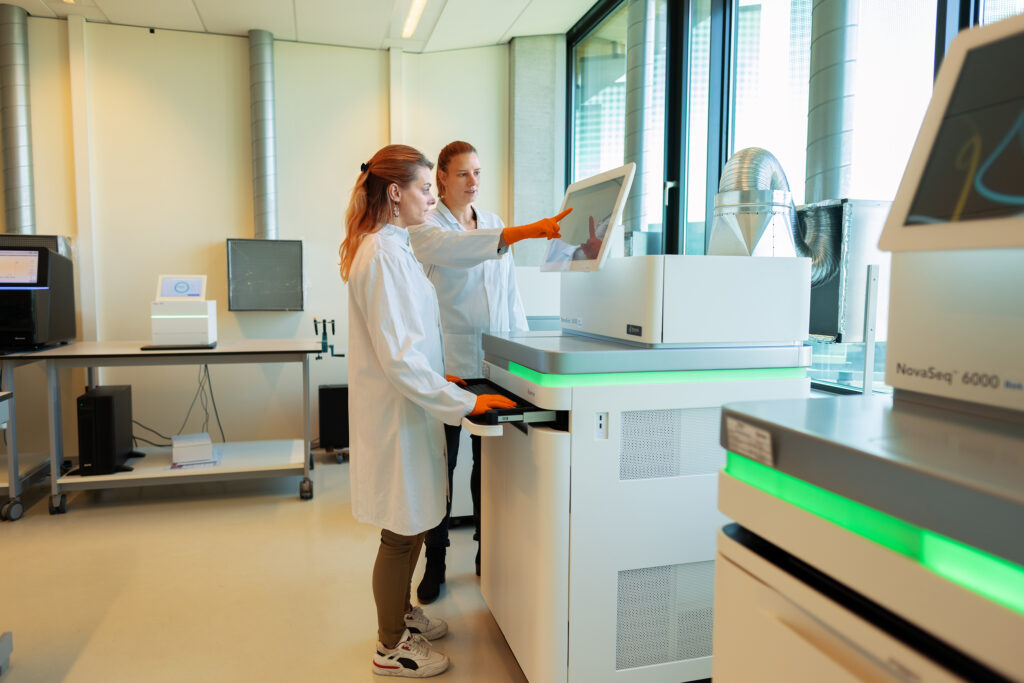
Whole genome sequencing is betrouwbaar, heeft toegevoegde waarde en is prima in te bedden in de dagelijkse pathologie-diagnostiek
Bron: website AvL Voor patiënten met kanker worden doorlopend medicijnen ontwikkeld die specifiek aangrijpen op een DNA-fout in hun tumor. …

Deze complete DNA-test maakt de individuele behandeling mogelijk en beperkt daarmee onwenselijke bijwerkingen.