DR-061 Molecular archaeology of cancer metastases
We aim to apply computational tools to Hartwig Medical Foundation cancer genomes to establish the order in which harmful mutations were acquired, and approximately when they were acquired during a patient’s lifetime. Furthermore, we can infer what caused the mutations (for example, smoking, UV light, etc.), and estimate when the cell was exposed to these damaging processes. Across many cancer samples, this approach lets us build a picture of how different cancers evolve over time. By comparing these results to earlier analyses we performed on primary tumours (observed at initial cancer diagnosis), we seek to understand the development of cancer as it spreads from the initial site to another site (known as metastasis). This will show whether tumours that metastasise evolve in the same way as non-metastatic cancers, and may give insight that helps to predict the metastatic step in cancer evolution.
Peter van Loo The Francis Crick Institute United Kingdom
Terug naar nieuwsMeer nieuws
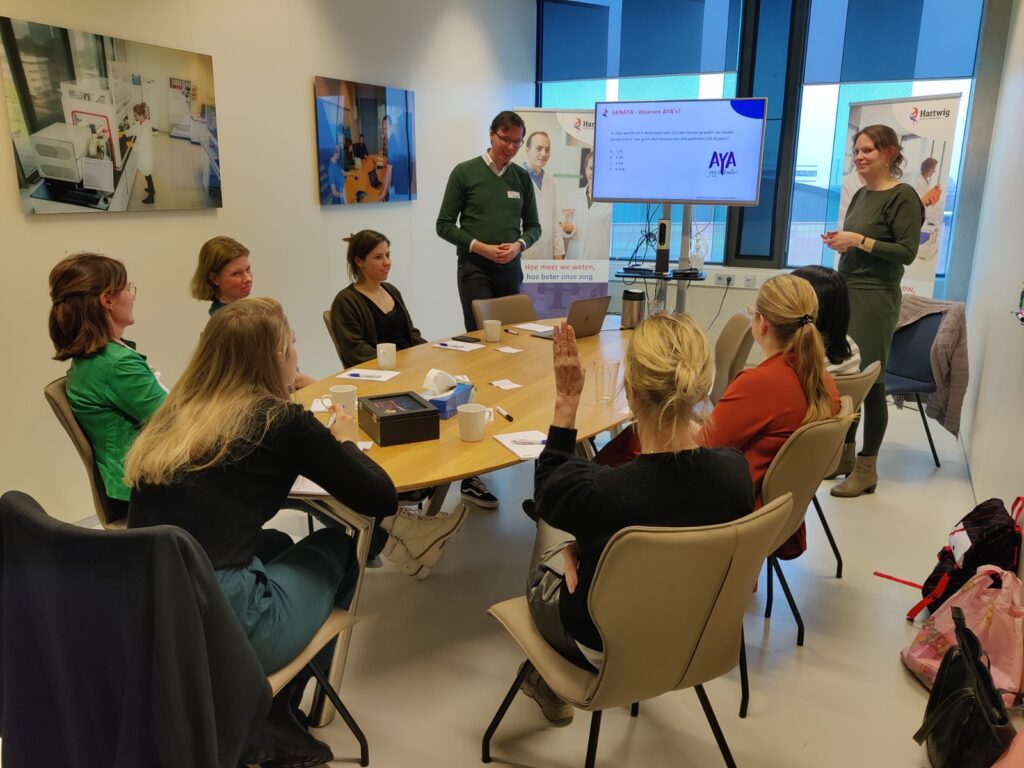
GENAYA: Informatieve middagen en rondleidingen in november en december
Op dinsdag 14 november en vrijdag 1 december 2023 organiseert het GENAYA-projectteam van Hartwig Medical Foundation opnieuw informatieve middagen over …

Een Vandaag: Databank kanker kan levens gaan redden
Vier jaar geleden moest Commissaris van de Koning in Gelderland, Clemens Cornielje, afscheid nemen van het leven. Hij had uitgezaaide …

Nieuwe voorzitter Data Access Board benoemd: Ele Visser
‘De balans houden,’ daar is het Ele Visser, de nieuwe voorzitter van de Data Access Board (DAB) van Hartwig Medical …
Door WGS hebben we in de moleculaire diagnostiek op onze afdeling een stap gemaakt van de analyse van minder dan 100 genen naar circa 20.000 genen per patiënt. Dat levert ontzettend veel waardevolle informatie, niet alleen voor de patiënt van vandaag, maar ook voor de patiënt van de toekomst.