DR-273 Tackling primary and acquired resistance to PD-(L)1 checkpoint inhibition in advanced non-small cell lung cancer
In recent years the treatment of patients with lung cancer has improved tremendously with the introduction of immunotherapy. This therapy helps the patient’s own immune system to attack the tumor cells. Unfortunately, not all patients benefit from this treatment. We want to better understand the mechanisms used by the tumor cells to escape the effect of immunotherapy. By improving our knowledge of these mechanisms, we hope to contribute to new cancer therapies in the future.
Willemijn Theelen, Netherlands Cancer Institute, The Netherlands
Terug naar nieuwsMeer nieuws
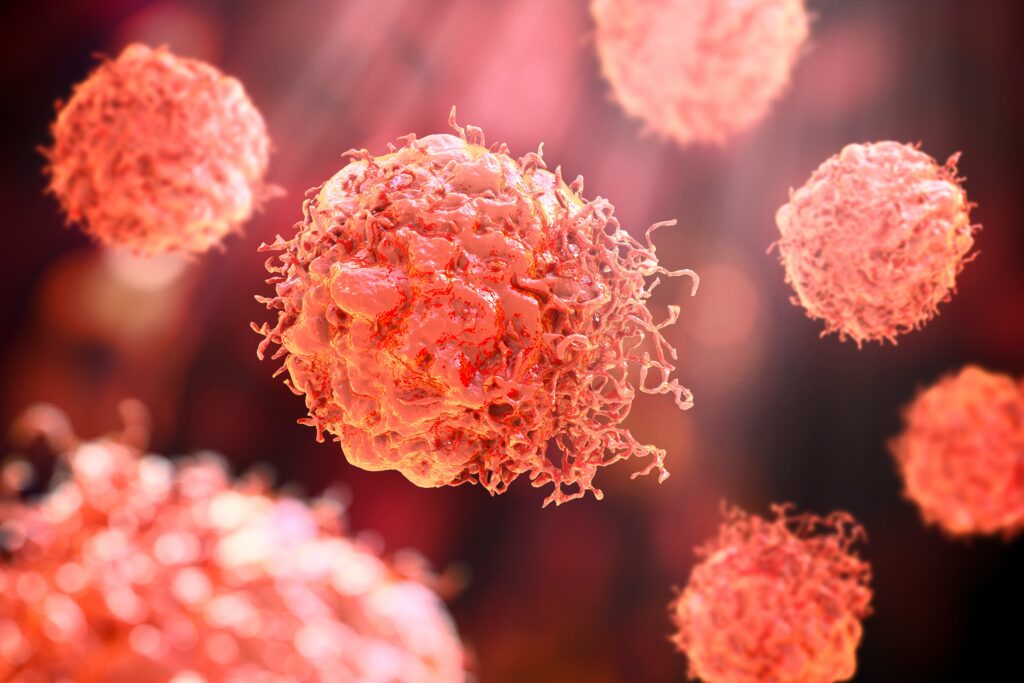
Nieuwe studie met Hartwig-data laat zien hoe het genetisch profiel van borstkanker verandert bij uitzaaiing
Analyse van bijna 1.300 tumorgenomen binnen tien genomische subtypen wijst op nieuwe aanknopingspunten voor behandeling en biomarkers bij uitgezaaide borstkanker. …
Zorgverleners delen inzichten over GENAYA voor jongvolwassen patiënten met kanker
In een reeks korte video’s delen vier zorgverleners hun inzichten over het GENAYA-project. Ze vertellen wat GENAYA precies inhoudt, hoe …

Karen Willemsen lid raad van toezicht Hartwig Medical Foundation
Karen Willemsen is op 12 september benoemd tot lid van de raad van toezicht van Hartwig Medical Foundation (Hartwig). Karen …

Kanker ontstaat door mutaties in het DNA. Er zijn steeds meer geneesmiddelen die werkzaam zijn bij specifieke fouten in het DNA van de tumor van een individuele patiënt. Een medicijn dat niet past als een sleutel in het slot werkt niet, terwijl je wel het risico van de bijwerkingen hebt.