DR-383 Drug resistance in cancer from in vitro genetic screens
Drug resistance is a major limitation to the long-term efficacy of cancer drugs. The use of cancer genome sequencing has been used to understand genetic mechanisms of acquired resistance, but this is a retrospective approach and can take years to accrue sufficient sample numbers from post-treatment biopsies to infer cancer variant function. In our study, we have used high-throughput CRISPR mutagenesis screens of drug targets in cancer to predict genetic mechanisms of acquired drug resistance. We want to use the HMF data to validate our in vitro findings and validate our prediction model with patient data. The use of our prospective map of drug resistance variants could inform patient stratification for effective second-line therapies in cancer.
Matthew Coelho, Wellcome Sanger Institute, Cambridgeshire, United Kingdom
Terug naar nieuwsMeer nieuws

Een lerend zorgsysteem voor verbeterde zorg
Vandaag bij het Financieele Dagblad: Als een patiënt in een ziekenhuis of daarbuiten wordt behandeld, worden er veel gegevens in …
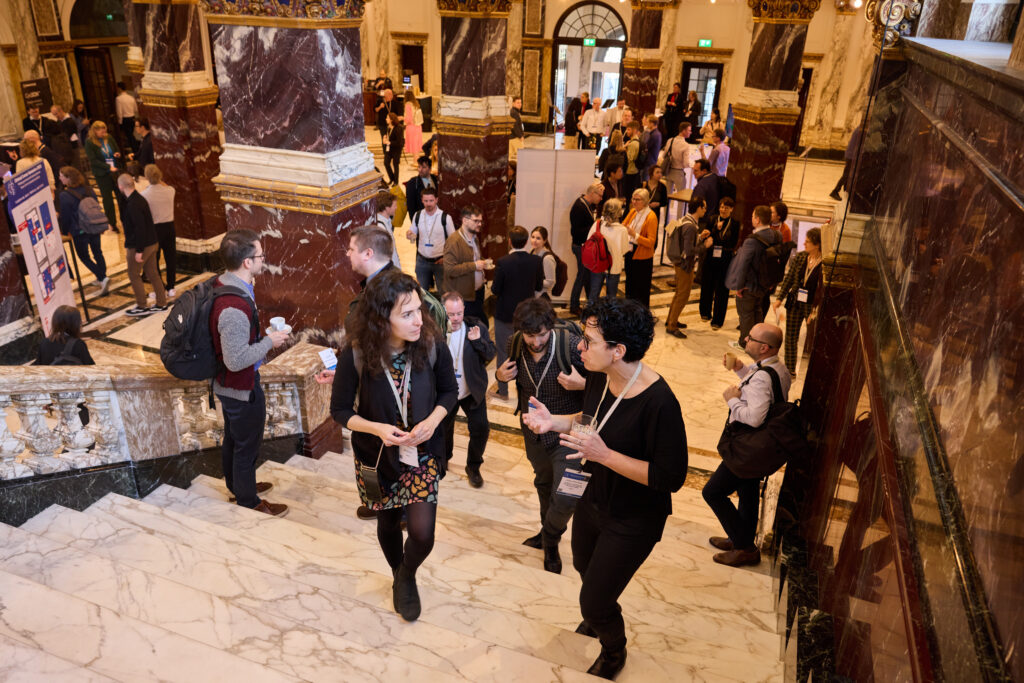
Clinical Cancer Genomics 2025: een boost voor dit nieuwe vakgebied
De Clinical Cancer Genomics Conference 2025 vond plaats op 20–21 maart 2025 in Amsterdam. De eventwebsite ccg2025.eu is offline, maar …

‘Bewondering voor enthousiasme om door beton heen te breken’
‘Jan en alleman nemen het woord personalised medicine in de mond, maar het lukt maar weinigen daar echt handen en …

Een complete genetische analyse zou onderdeel moeten zijn van de standaarddiagnostiek bij iedere patiënt met kanker. Dat draagt bij aan een beter, afgestemd behandeladvies. Zo verminderen we over- en onderbehandeling, maken we tegelijkertijd de zorg kosten-effectiever en houden we hem betaalbaar.